I am a journalist of over 25 years and have been published in national and international newspapers. I write about travel, health and wellbeing as well as food and drink. I believe everyone has a story, and I want to help you tell yours. Why not contact me today for a quote?
A Devon summer holiday during a pandemic
By Donna Richardson
Summer 2020 saw many challenges as the Covid-19 pandemic caused British holidaymakers to cancel flights and shorten holidays abroad or else face strict quarantine upon return. Determined to avoid the panic-stricken crowds and have a fun-filled family holiday, we decided on a staycation right here in the UK, choosing south Devon, just a three and a half-hour drive from Loughborough. Luckily, we visited during the UK heatwave, so everything we needed was right here in Britain —sun, sand and beautiful coastline. What more could you want?
Sea gulls, a birds-eye view and merry-go-rounds in Torquay
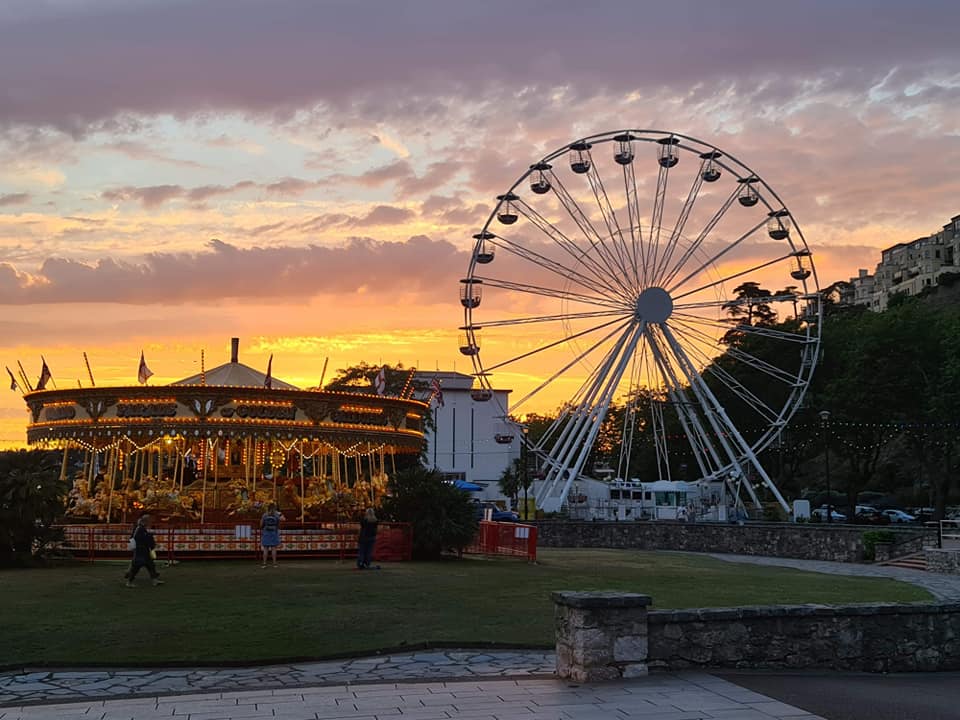
Upon arrival at Torquay, we see it is clearly a family-friendly place. As the self-proclaimed gateway to the English Riviera, this is a place where palm trees sway beside the sandy beach. The seaside location caters for children with lots of amenities found along the promenade and the marina is home to gorgeous yachts. Tourists are treated to a birds-eye view of the marina from the heights of the Devon Eye Ferris Wheel and of the houses and hotels nestled into the cliff. There’s a vintage fairground for kids and bright resting booths to relax in. Giant gulls feed off the scraps left behind by visitors who can enjoy fish and chips on the seafront.
A cliff railway and cream tea
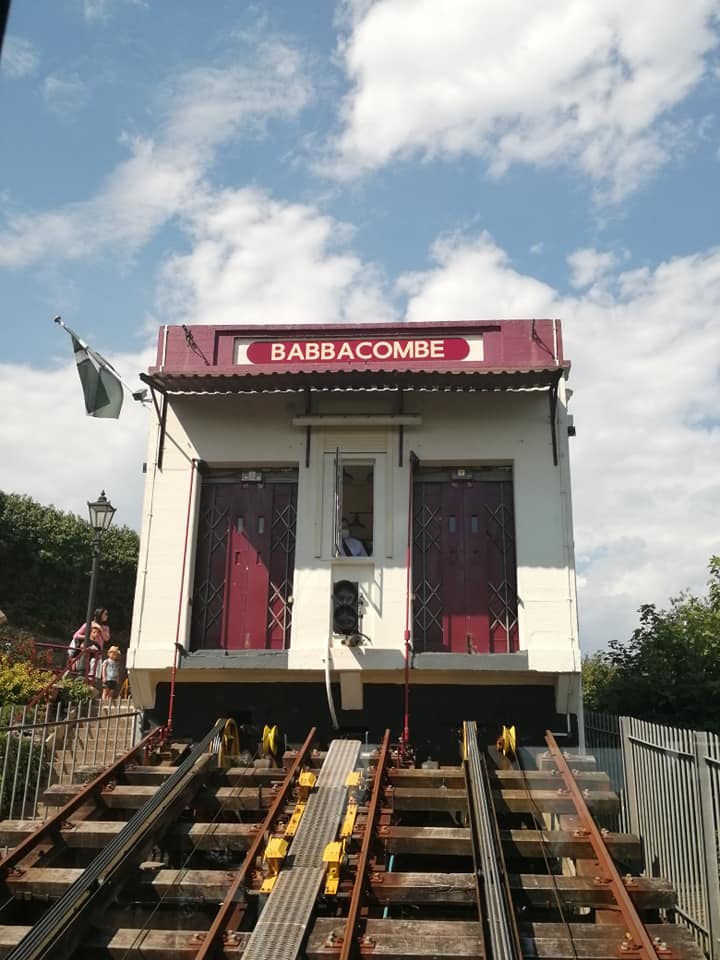
About 20 minutes-drive up the coast, Babbacombe Cliff Railway boasts panoramic views of the sea from the top. On a clear day, spot ships in the horizon of the gleaming English Channel. Arrive early for the first ride down the funicular railway at 10am and enjoy the two-minute scenic descent into Oddicombe beach with an uninterrupted vista of the bay in both directions. The staff are super friendly making it a pleasant experience despite masking up. Babbacombe has the highest promenade in the UK, if you count the top of the cliff as being the promenade to the beach below.
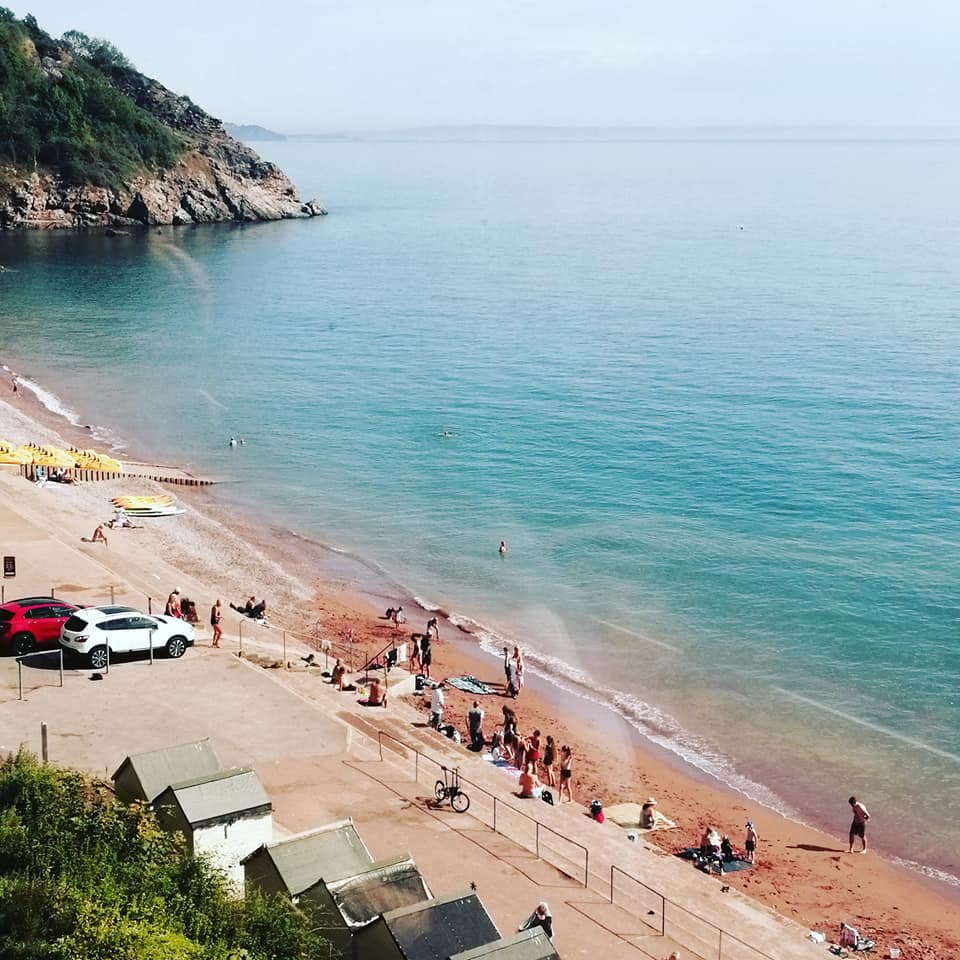
Down below, Oddicombe beach is rusty-coloured with bright beach huts speckled against the green cliffs. The water shines a lovely aquamarine in the sunlight. Early in the morning, the red-hued beach was perfectly deserted, there was not much beach at this hour, although later in the day at low tide, with ample space to build sandcastles.
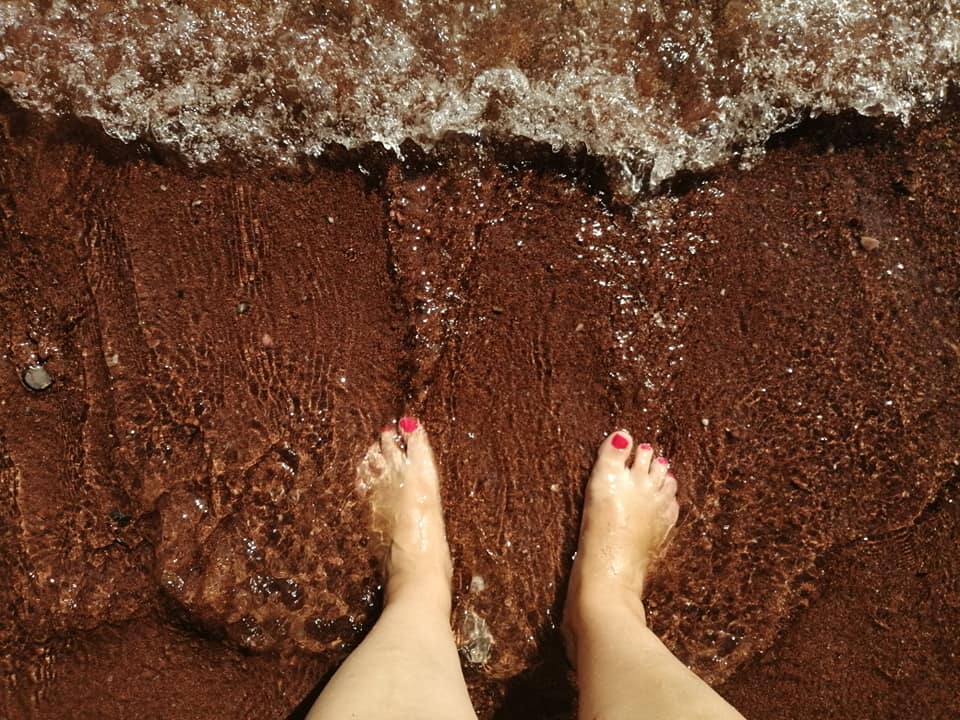
After much-needed beach time with grains of sand between our toes and the tranquil sound of waves crashing against the beach, it was time to catch the train back up for a Devon cream tea and scone in the Cliff Cafe. On a clear day, dine al-fresco to enjoy a panoramic view of the sea and cliff railway and its drop to the beach. Visit early to avoid the crowds of tourists and the lunchtime brigade as this is an extremely popular spot.
While you are in the area, the Model Village is worth a visit. Guests feel like giants as they step through the small entrance into the vast miniature world. They can explore four acres of award-winning gardens showcasing hundreds of model scenes, vehicles and people.
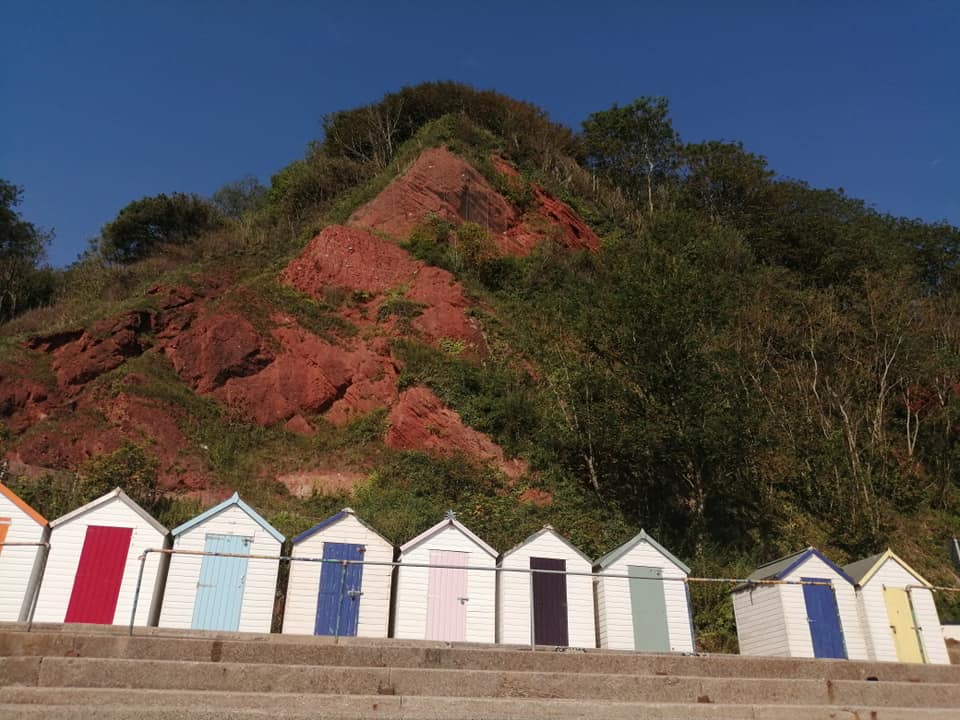
Building sandcastles, spotting steam trains and playing football
About 30 minutes back down the coast lies the ruddy Broadsands beach. Here we built a fortress of sandcastles and dug a moat. The tide was out so there was an expanse of glorious red sandy beach which our three-year-old raced along excitedly, dipping in and out of the sea like a mermaid. Not even the rain nor the swathes of seaweed bothered her. Broadsands has the same Devon-characteristic beach huts with coloured-doors speckled against the verdant cliff backdrop.
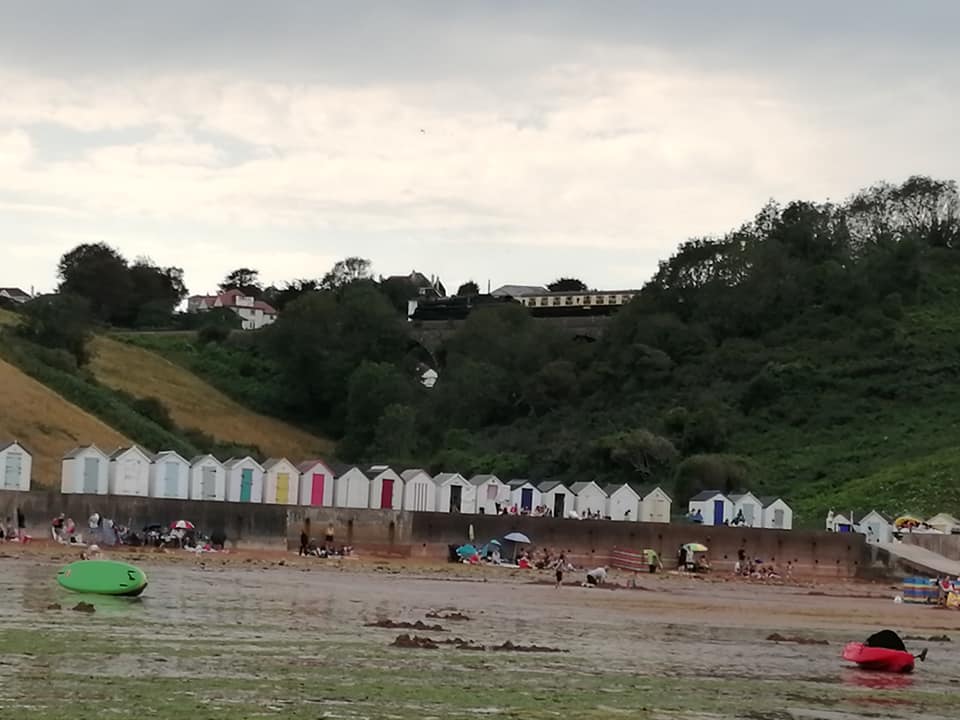
The South West Path runs along the cliff-top behind the beach on its way to Elberry Cove, so every now and then, a gorgeous steam train chugs along at regular intervals over the grand arched railway bridge built by Isambard Kingdom Brunel. This is the Paignton and Dartmouth Steam Railway train crossing Hookhills Viaduct, with its nine arches scaling to an impressive height of 85 ft and 116 yards from head to foot. The long beach is popular with surfers and water sports enthusiasts. Out to sea, Torquay rests towards the left bay and in the other direction lies Brixham. Furthermore, there is a large open green space to the rear of the beach for a game of football.
Italian food in Newton Abbot
Returning to the Premier Inn hotel, next to Newton Abbot racecourse with our bellies rumbling we decided to catch a bus into town and go for an Italian meal at the newly opened Ricca’s. Here, we found top-notch food and wine in a classy restaurant setting with Tuscan influences, Italian art and furnishings and an open kitchen. My daughter and I enjoyed traditional spaghetti bolognaise, my partner chose the carbonara. My daughter rounded her meal with vegan ice cream. Newton Abbot is a quiet market town on the River Teign.

Steam trains, ferry and culture in Dartmouth
There are numerous ways to get to the port town of Dartmouth, just across the River Dart. The best is via steam train operated by Dartmouth Steam Railway from nearby seaside town Paignton – a 6.7-mile (10 km) heritage journey along on the former Great Western Railway branch line to Kingswear. We had planned to take the Steam and Cruise package including the Dartmouth-Kingswear passenger ferry – free of charge with a valid steam train ticket, although not operating due to Covid-19. Alternatively, drive over to Kingswear in about 25 minutes from Newton Abbot and see the sights along the way. From the ferry that transports passengers over the river to the picturesque town in the hills, all the boats in the marina and the steam train running alongside it, Dartmouth is a delight.

At the Dartmouth Higher Ferry Terminal, its just a four-minute journey to the other side where thirsty travellers can gather for a pit stop at the Floating Bridge inn – a quaint, old-fashioned riverside pub renowned for its chef’s Bouillabaisse, char-grilled steaks and the delectable sweet counter.

Rising majestically on the hill is the Britannia Royal Naval College (BRNC), the initial officer training establishment of the British Royal Navy. We drove up to the top to take a look and then after stopping off for lunch with a dear friend, decided to walk back down among the quaint winding little streets. Steepways must rival Lincoln’s Steep Hill. The walk is lined with beautiful pastel-coloured houses. One of the homes we passed had a blue plaque indicating that this was once the home of James Henry Inder, an engineer and inventor of three steam-powered cars – the first motor cars in Dartmouth.

At the bottom, we arrived at the town centre and harbour. Dating back to medieval times, the town has scores of lovely shops selling brands such as Seasalt, Fatface and Saltrock. In Foss Street, the oldest street in the town you can browse the wonderful galleries and boutique shops amongst the beautiful architecture. The Old Market Square includes a unique range of specialist shops, and Duke Street houses the infamous ButterWalk building, where you will find the fascinating Dartmouth Museum. The port town is also famous for Christopher Robin’s bookshop, Harbour Books which closed in 2011, although the site remains a tourist attraction. There are plenty of tourist shops selling Devon fudge and postcards to take home. In the Royal Avenue Gardens where you can admire the manicured lawns, fabulous fountain plus various flora and fauna.
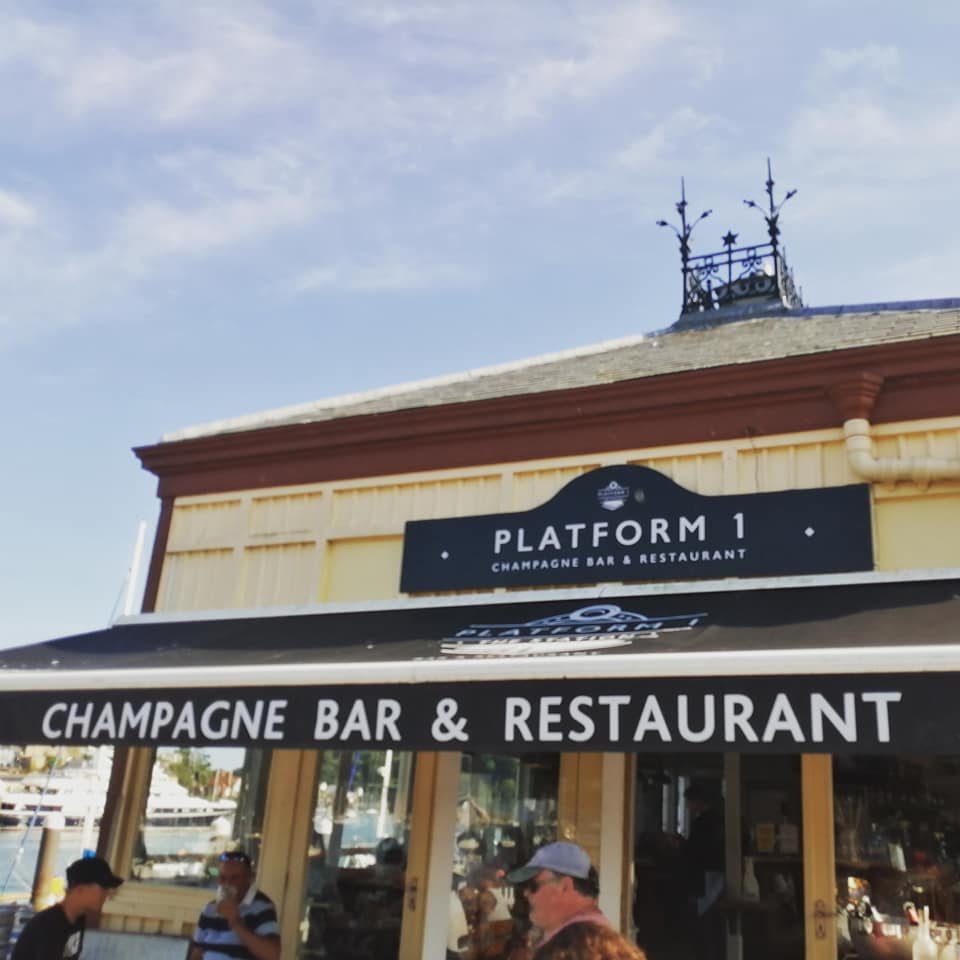
Platform One champagne bar on the harbour-front is a great pitstop that serves up ice cream for the kids and coffee or even a cheeky glass of the finest bubbly for mums and dads.
Sit down on a bench to gaze at the boats underneath the swaying palm-trees. The bustling ‘Dart ‘Harbour bursts with life as fishing vessels bring in fresh hauls fresh from the English Channel, tourists pile on and off ferries, boats moor in and there are gleaming yachts and cruise boats alongside Dartmouth town jetty and Naval vessels parked in the Marina. All the while, the higher and lower ferries transport people and vehicles across the Dart. The harbour is lined with colourful pennants attached to the barricades, all handcrafted by local people and visitors from all over the world to commemorate the 400th anniversary of the Mayflower sailing from Dartmouth. Across the Dart is the green backdrop of Kingswear where steam trains occasionally weave in and out.
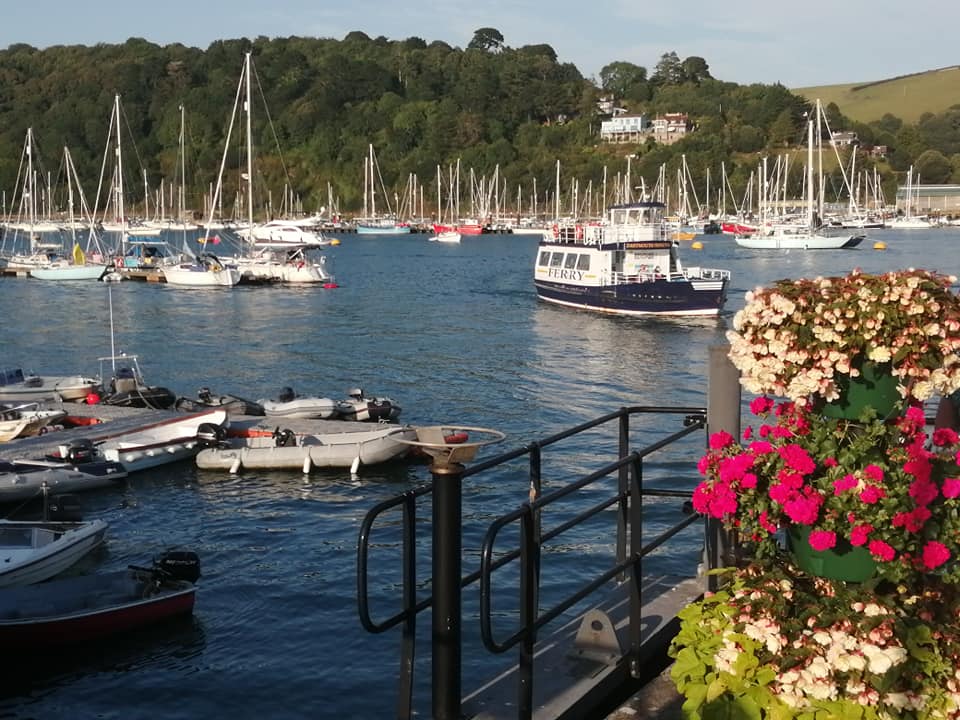
Watch tourists’ comedic attempts at catching crabs with hand lines, orchestrating their puppet-stick type contraptions to lure in the crafty crustaceans. The more skilful crabbers soon see their haul grow as each successive catch piles up into their big buckets. Meanwhile, inside marquees by the harbour, diners feast on freshly caught crab, lobster, prawns and fish and gulls circle from above, hoping for titbits.

Be sure to visit Bayards Cove Inn, a 14th-century pub, hotel and restaurant, serving tasty and good value ham cobs and crisps as well as sit-down meals. Many explorers base themselves here for the evening. The large suites are perfect for families. A stay includes a fully cooked breakfast of bacon, sausages, eggs, mushrooms, tomatoes, waffles and cobs.
Boat Trip to Bayards Cove Fort and Sugary Cove
Tourists can take a boat crossing to Bayards Cove Fort, a castle built in the early 16th century to protect Darmouth. This important trading and fishing port prospered in the 15th century on the proceeds of the wool trade.
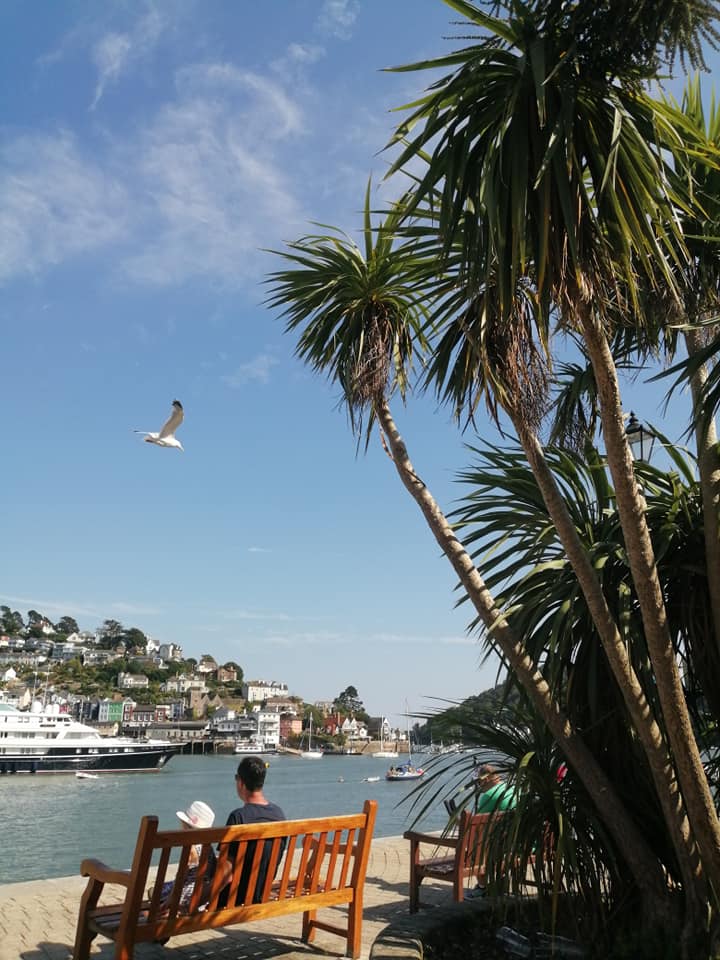
Nearby is Sugary Cove, a remote beach of shingle and rocks with Dartmouth Castle Tea Rooms just 100 metres from the beach. When the tide comes in this shoreline is completely cut off so be sure to exit early. The best time to visit is in the morning as the last crossing back is at 5pm due to the tide.
Zoo and beach time in Paignton
The Paignton Zoo is great for families with young children. Upon entry tourists are greeted by a flock of pink Chilean flamingos surrounding a lake. There are apes, lemurs, rhino, peacocks, a goat, ostriches, cheetahs, tigers, zebras and a gaggle of giraffes.
Traverse up and down hill to spot all the animals and locate more than 20 gigantic LEGO brick sculptures of the animals, including a majestic tiger. In the heat of the day this can be tiring so we decided to cool off at Paignton beach on the way back.
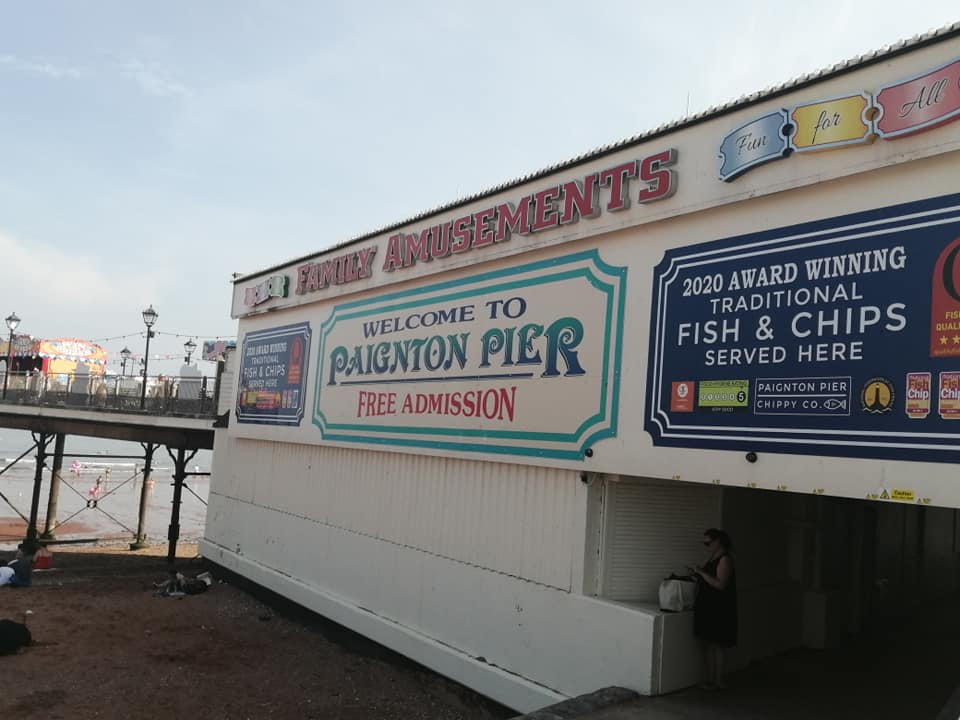
Paignton itself is very touristy with a pier full of amusements, little kids rides and a plethora of places to eat and drink. It has a long and wide yellow sandy beach and at low tide an expanse of beach. It was busy as expected, but social distance was observed as we found a nice spot to build sandcastles and to stretch out, catching the last rays of the day as our delighted daughter ran in and out of the sea.
Realising we had worked up quite an appetite, we booked a meal at the Toby Carvery back at Newton Abbot, for a tasty roast, much needed after a diet of fish and chips and all-day breakfasts. Sadly our plans for a fine dining experience at the Michelin starred Elephant back in Torquay, one of the most reasonable Michelin-starred restaurants in the country, with a unique kid-friendly menu, were scuppered due to the popularity of the Eat out to Help Out scheme and advance bookings.

Brixham and Torquay
On a clear day, take a ferry from Torquay to Brixham, which lies halfway between Dartmouth and Torquay and passengers can experience delightful dolphins jumping alongside the boat. This fishing community is a Dutch settlement that is steeped in fishing heritage. Today, it remains a bustling harbour and was the focus of a recent documentary called Fish Town. Here it is possible to sample freshly caught fish supper at one of the many seafood joints.
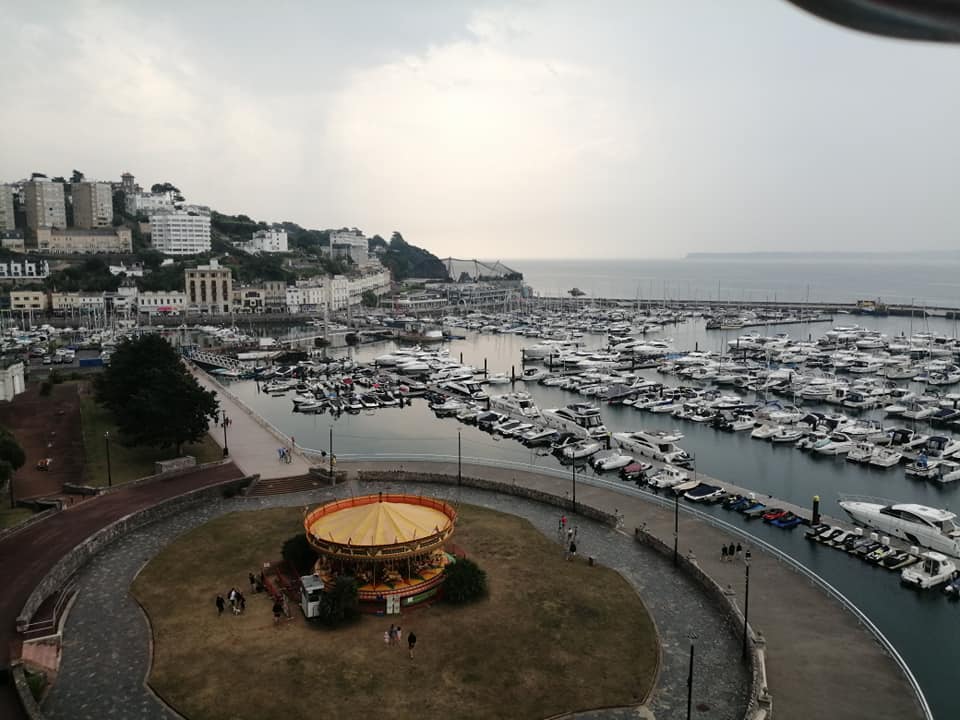
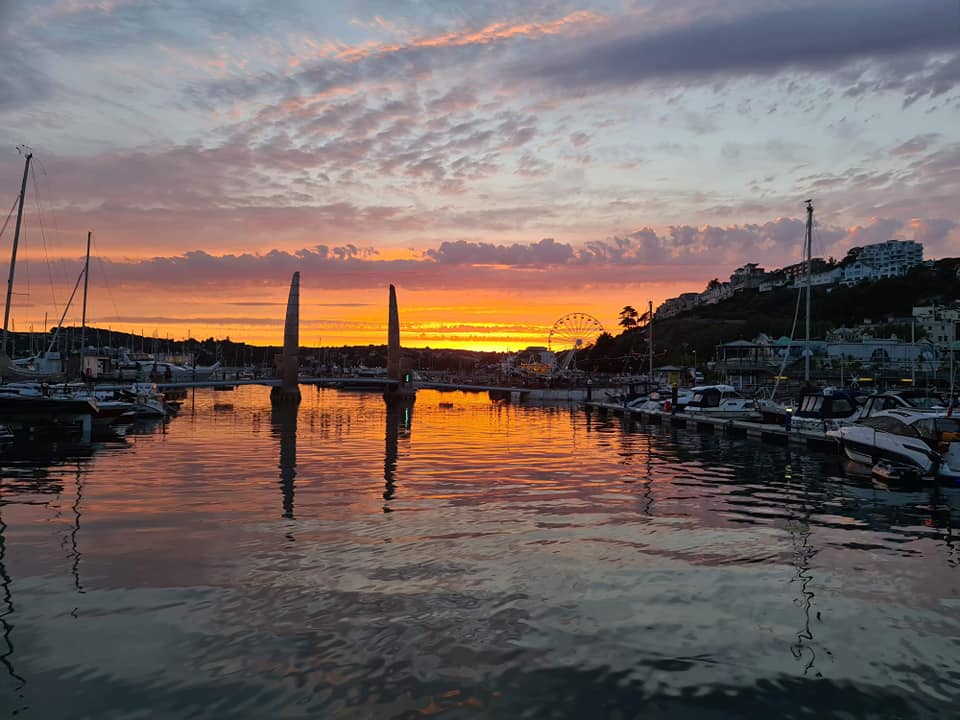
It seemed rather fitting to end the holiday where it all began. In Torquay we had a final ride on the big wheel and the carousel before walking along the promenade to stock up on rock candy presents, finishing with a lunch of fish and chips. We waded onto the beach for the last time and our daughter had a last paddle in the sea before we set off home. During a fun-filled four-day break on the English Riviera, we visited most of south Devonshire’s coastal towns and beaches and it was a holiday to remember in the summer where travel as we know it almost became obsolete.
The grand delights of medieval Utrecht
By Donna Richardson
Utrecht is a second city to Amsterdam and full of hospitable people. A visit to this city allows the elite traveller to unravel the history of Utrecht in the town centre exploring its gothic architecture or by exploring its beautiful castles and country houses on its outskirts. As a city Utrecht looks gorgeous in all seasons, but in Autumn as the old trees bordering the canals shed their rusty leaves on the ground, it takes on an even more beautiful glow before the onset of winter and the Christmas preparations which are legendary.
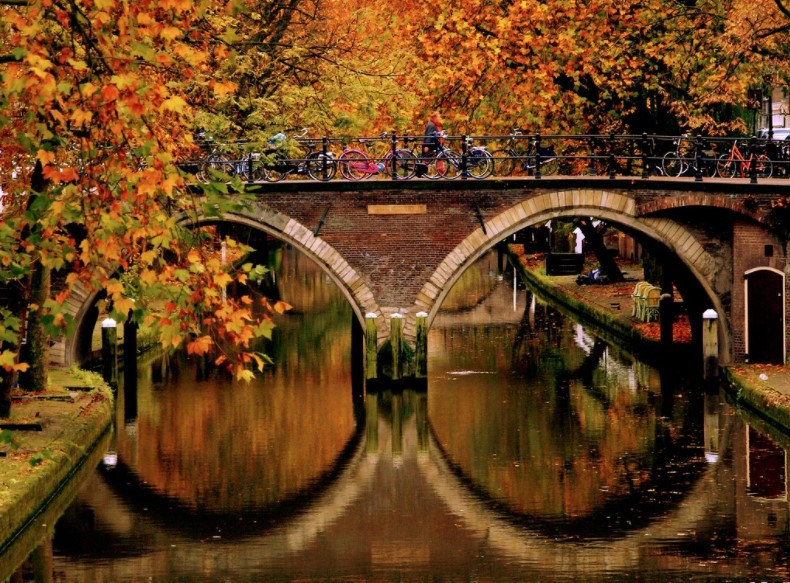
The beating heart of Holland
Utrecht is described as the lively, beating heart of Holland and known for its city centre with wharf cellars along the canals housing cafes and terraces by the water, in Utrecht, you’ll also find many gardens, courtyards and parks for soulful relaxation. There are hidden courtyards to the romantic Oude Hortus, from cosy parks such as the Wilhelminapark and Park Lepelenburg, where activities are organised throughout the year. One can go for lovely walks, play sports and have a picnic and there are pastures for animals, playgrounds, circuses and festivals with a cultural or culinary programme. A particularly idyllic spot at the edge of the Science Park, with the sound of falling water and buzzing insects in the summer is botanical gardens. This charming space is part of the oldest university gardens in the Netherlands and are located around the 19th-century Fort Hoofddijk.
Background History
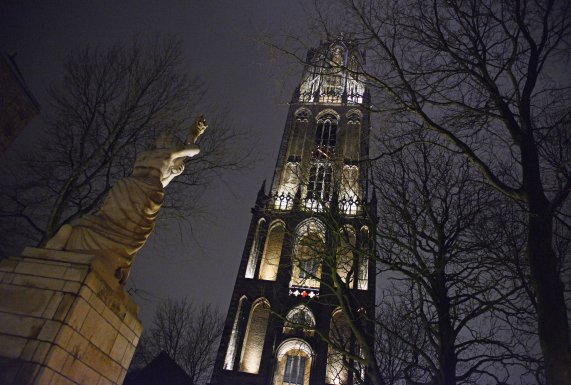
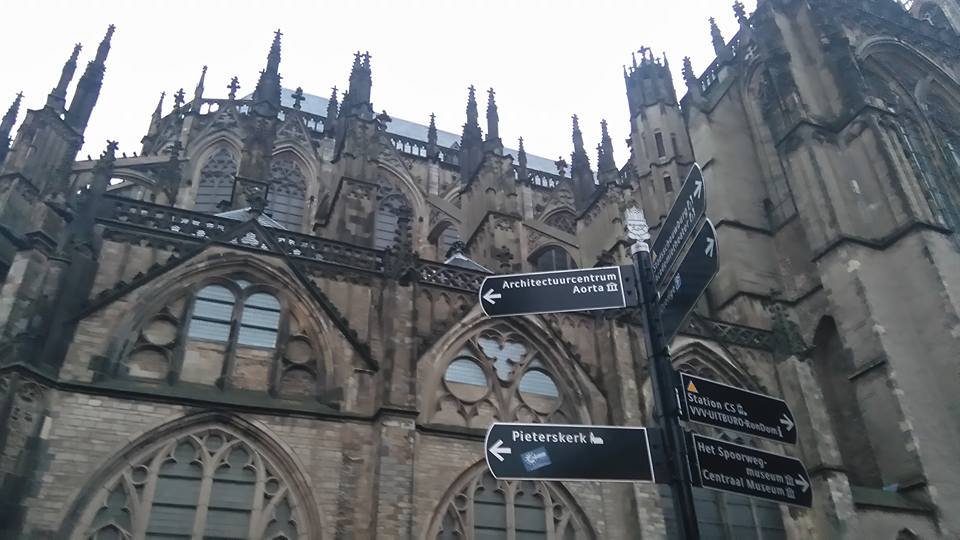
Utrecht is a magnificent medieval university town in the heart of Holland, full of wonderful architecture dating back to Roman times. There are many opportunities to explore these wonders and combine cultural activities with eating and shopping. Most of the city is built around the iconic Dom, a 14th-century bell tower with city view from the highest and oldest church tower in Holland. The Dom Tower was built between 1321 and 1382 and is 112 meters high. Even if you can’t see them, you are likely to hear one of its thirteen bells that weigh between 880 and 18,000 pounds and play out every hour. At the top a birds-eye view of Utrecht awaits once you climb the 465 stairs and on a clear day, you can see Amersfoort, Rhenen, Montfoort, Oudewater, Woerden and even Amsterdam from the top.
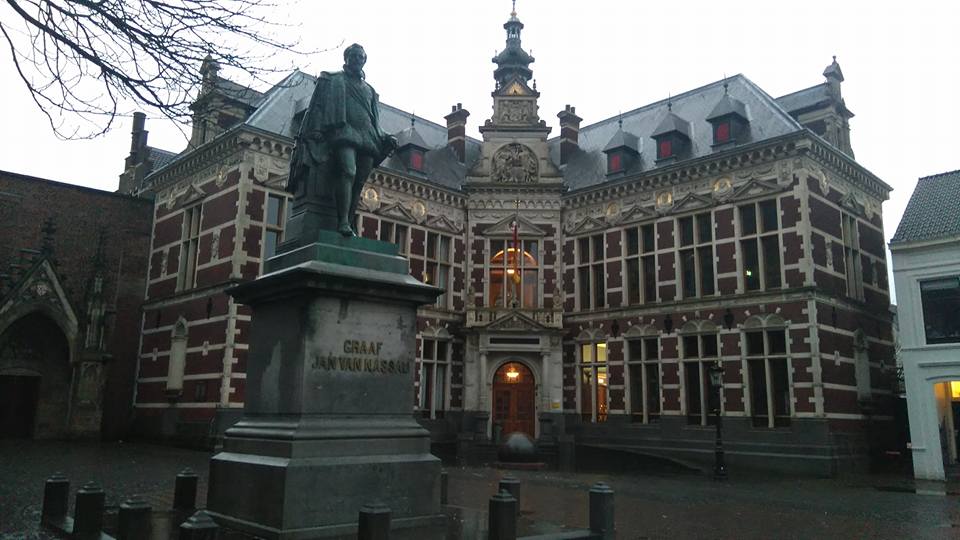
The Dom was separated from the Gothic Cathedral of St. Martin after a tornado struck the church in 1647. This is now located on central Domplein square. The museum Catharijne convent also shows religious art and artefacts in a former monastery Kloosterhof, and the monastic garden offers peaceful refuge. There are so many pretty buildings around this stunning university town. The town is carved out by an intricate network of canals. The Oudegracht winds through the city centre and is inextricably linked to its history.
Two worlds above and below water
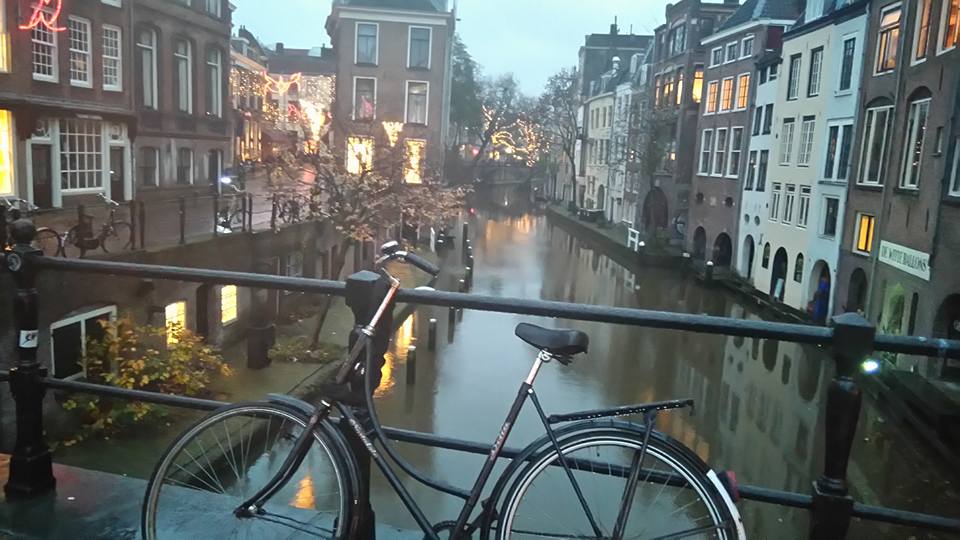
The Oudegracht is a wonderful place to walk down day or night. Above ground, weave in between the quaint side street shops and restaurants looking over the canal side. Below some steps you will find a wonderful world of wharf cellars housing cafés and terraces by the water. These former warehouses of the 13th century provide attractive options for diners and drinkers.
Deep in the cellars of Utrecht, there is a tropical paradise called the Rum Club with colourful food, music, cocktails, beers and rum all contain influences of exotic places. The friendly cafe-cum-theatre De Bastaard has been a fixture of Utrecht’s nightlife for years now. The cafe was originally established according to the credo ‘just act normal, that’s crazy enough’ that originates from the Twente region of the Netherlands, and has been run by the same owners since 1984. De Bastaard is a great place to have a beer or play a game of pool, and every once in a while the cafe is transformed into a charming little theatre where shows are staged.
Many enjoy a snack or a drink down at water level taking in the beauty of the water a wonderful world of bridges that are illuminated by an artistic light show called Trajectum Lumen. This exhibition was designed by light architect Har Hollands who lights up the city and the water 365 nights a year. The project features 15 works of light art by Dutch and foreign artists and students at HKU University of the Arts Utrecht and is visible from sunset until midnight every night. Every Saturday, there is a 1.5-hour Trajectum Lumen tour, with an experienced guide taking you past all the installations.
Gastronomy
Utrecht is a truly international city and has a range of international restaurants, diners, lunch rooms, coffee corners and delicatessens both in the city centre and in the surrounding districts. Hidden in small alleyways or right on one of the bustling squares you’ll find many fine dining options. Cantina di David offers Italian fine dining in the heart of Utrecht, where epicureans can be seated in an authentic 13th century cellar at the Oudegracht of Utrecht.
Continuing the Italian theme at Aandacht voor Eten, just on the edge of town in Biltstraat provides the perfect place to enjoy fine wines and food with a Dutch twist. The cook’s family table menu is excellent with a menu that includes a steady fayre of goats cheese, fish, cheese platters and succulent venison reindeer and potatoes and vegetables, and a never ending supply of fine wine, delicious desserts and coffee to finish.
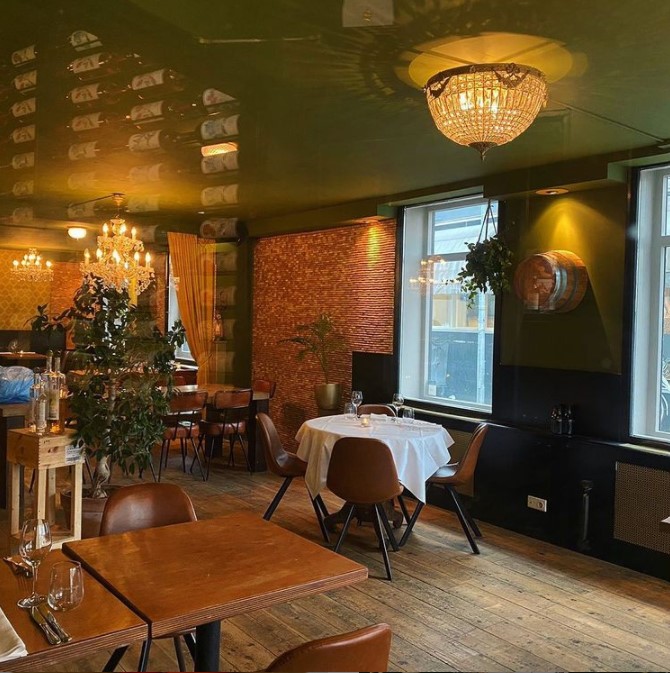
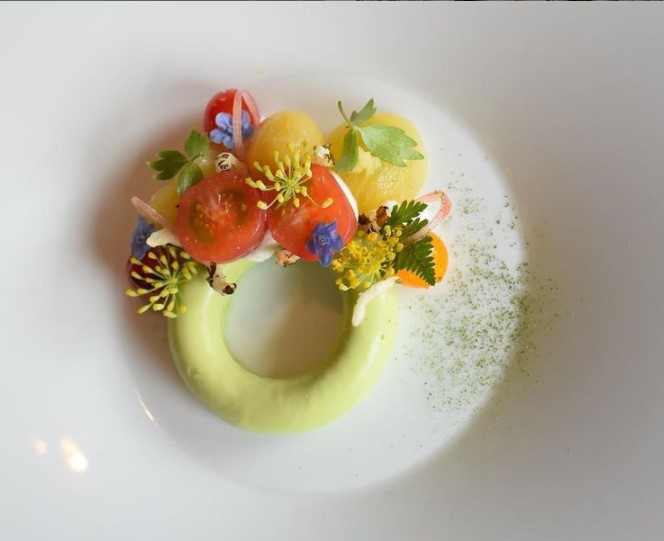
Farther afield is the magnificent Kasteel Heemstede, around 8km outside of the city walls. If you are prepared to travel even farther, 17 km outside of the main town is La Provence with one Michelin star. Here chef André van Alten serves up consistently high-quality cuisine changing his dishes regularly and enjoying showcasing his full creativity in his garnishes. Different textures, playful contrasts of temperature, powerful sauces and gently acidic flavours are all used to add subtle depth to his dishes. He has a preference for fish, although the saddle of lamb seasoned with sea salt is one of La Provence’s classic dishes. The overall experience is enhanced by a selection of superb wines that complement these delicious dishes perfectly, in an intimate setting with a verdant terrace, makes it well worth a visit.
Where to stay in Utrecht
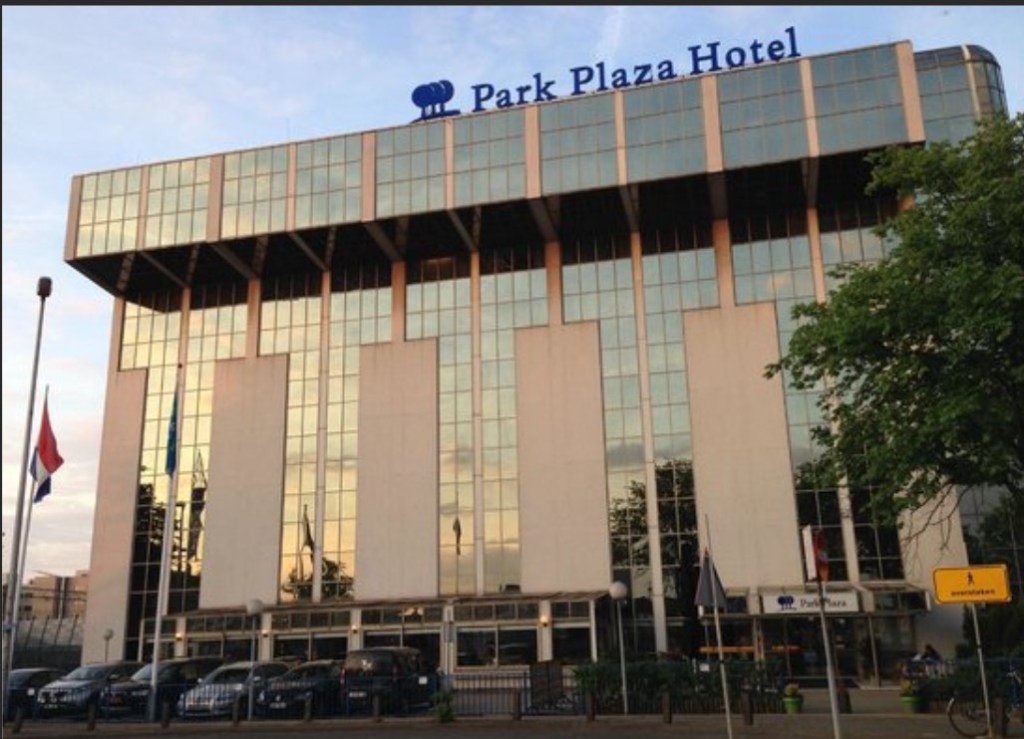
There are plenty of hotels including internationally recognised luxury brands such as the Park Plaza hotel close to the station and for a beau monde traveller elegant options such as the Grand Hotel Karel V a former monastery and military hospital converted into a five star hotel. With a monumental Napoleonic wing and modern Roman wing and 121 spacious rooms in a combination of modern and historic styles. They come with all comforts you might need. Guests can benefit from free Wi-Fi, a bathrobe with slippers, and in-room coffee and tea.
Restaurant Karel 5 serves a la carte fine cuisine with various wines in a setting with big mirrors and a chimney-piece where Chef de Cuisine Vito Reekers and Maitre-Sommelier Johan Kragtwijk reign in one of the oldest monastery kitchens in Utrecht. There is also a bistro Karel 5 and bar and lounge serving coffee and tea during the day and cocktails at night.
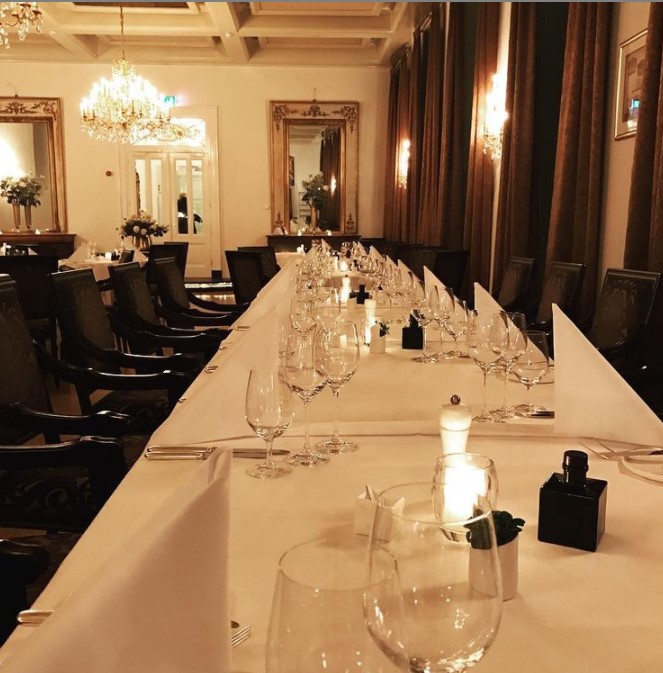
Grand hotel Karel V is a unique five-star hotel in the heart of Utrecht from where you can walk to the central station in less than 10 minutes. Relax after a day of sightseeing in the wellness and fitness centre. Use the sauna and the solarium or swim in the indoor jet-stream pool. Grand Hotel Karel V is situated in the museum quarter of Utrecht. You can walk to the main shopping streets and cafés. A walk along the canals and city patios is also worth your time.
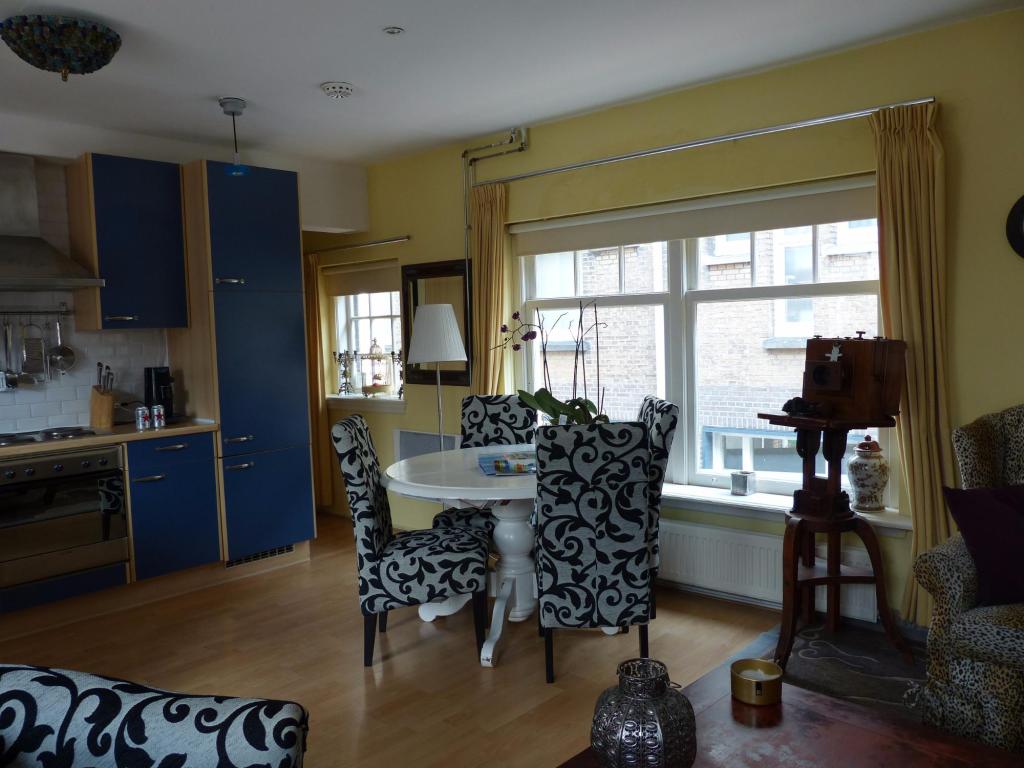
Charming guesthouses to be found in abundance in this quaint city that has many historic links. If you fancy getting to know the locals. The Rosendaal is an excellent choice as a ‘five star’ bed and breakfast apartment. With two levels- a downstairs with a complete kitchen and ding area come living room in bright vibrant colours and rich paintings of African origin, there is a grand dining space and living area. Upstairs is a bedroom and bathroom. Don’t be fooled by its ‘b and b,’ status, it is more like staying in someone’s grand home. What is more, the owner Hans delivers bread, cheese, cold cuts, and fruit to your apartment daily. In the warmer months, canal houseboats are wonderful places to base yourself too.
Entertainment
Utrecht has many tall traditional-style Dutch town houses along the river originally built for merchants of commerce and now lively pubs and restaurants. The Winkle Van Sinkle is a unique listed building and former department store of German merchant traders that now hosts activities, music, dance, drinks and dinner options. You can tango and salsa or enjoy club nights and jazz evenings.
Shopping
Utrecht is an excellent city for shopping, especially close to Christmas when the diverse array of shops, boutiques and markets stay open late every day. If you prefer indoor shopping, simply go to the Hoog Catharijne shopping centre, with over 160 shops inside Holland’s largest shopping centre – a great use of space for the original central train station.
Alternatively, walk through Wilhelminapark and Burgemeester Reigerstraat, a street known for its diverse range of shops and countless cafes and restaurants or cut through the park to reach the Burgemeester Reigerstraat for more shopping.
Transportation
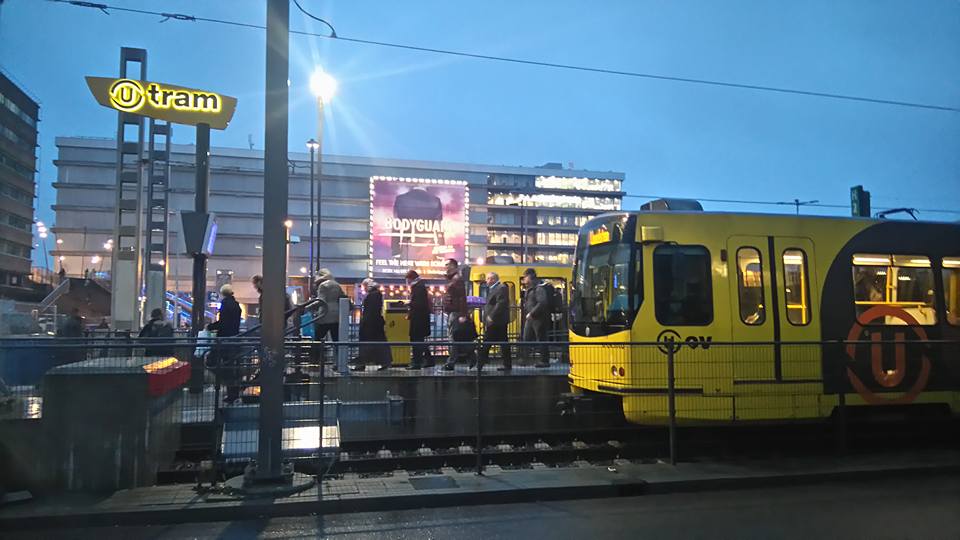
Bicycles are the choice of transport in this attractive, car-free city centre. Trams and trains connect to tourist attractions outside the city such as the Castle De Haar, located near Haarzuilens, in the province of Utrecht in the Netherlands.
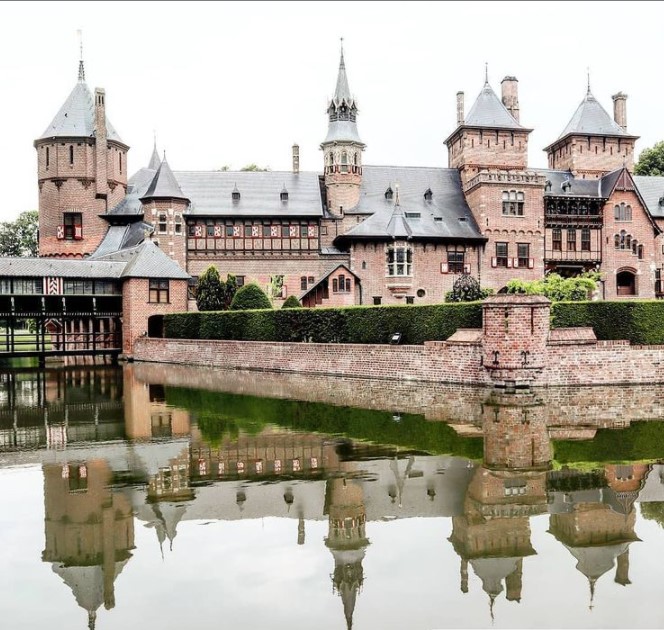
Getting there:
Plane
KLM operates multiple daily flights from London to Amsterdam Schiphol Airport where you can travel on by train.
EasyJet (London Gatwick, Stansted and Luton) and Jet2 (Leeds Bradford) are also available.
Train
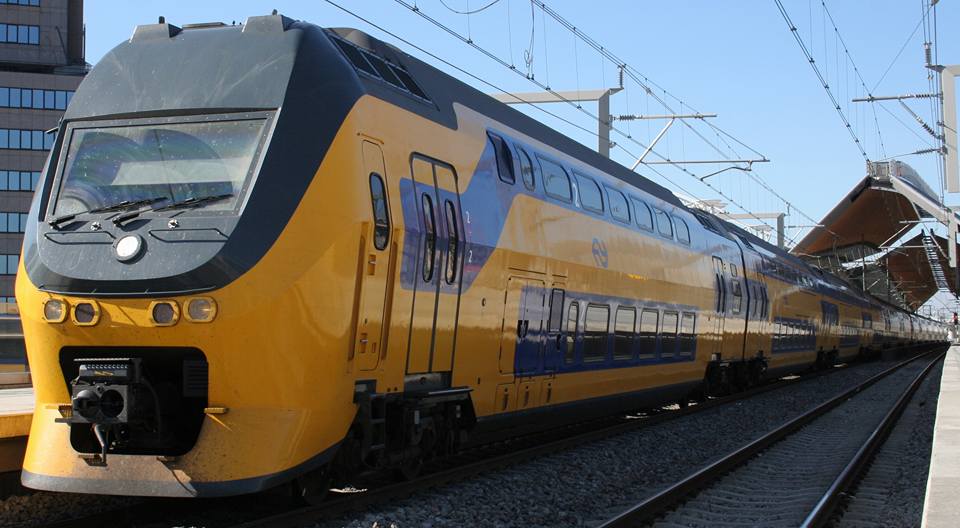
The grand train station adjacent to the airport connects you to any Dutch city and beyond with timely trains. The Intercity takes just 25 minutes from Amsterdam Schiphol Airport. These double-decker trains are built for long distances and are extremely comfortable and all connect Utrecht to neighbouring cities and the nations’ capital.
The intercity train takes in four stops including the mighty Ajax stadium. On arrival at Utrecht Centraal Station you’ll find your way around the city by foot quite easily.
Utrecht’s central location makes it easily accessible to the nations’ capital and other cities such as Rotterdam, home of the Hague and more. You can even inter-rail around Europe and be in Paris in a couple of hours.
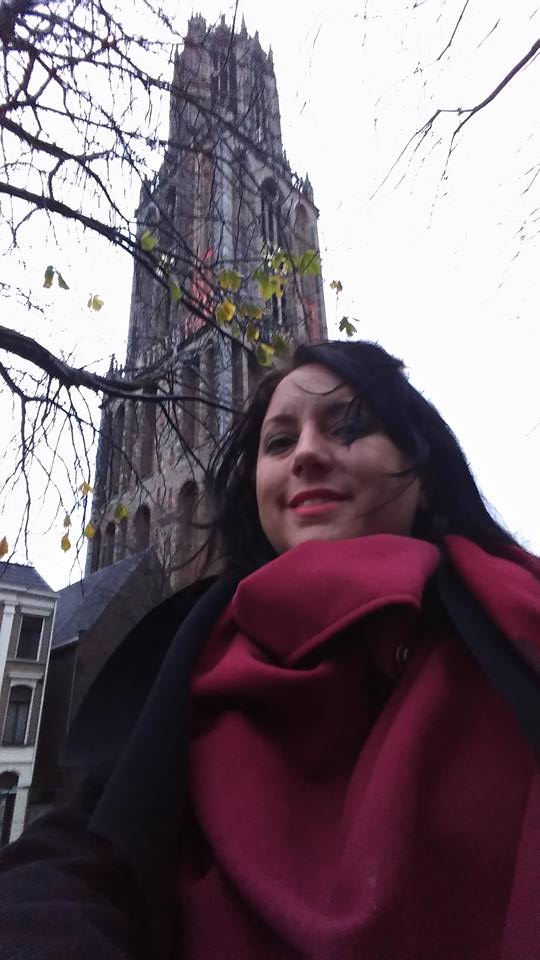
A visit to Utrecht will stay with you forever, it is a pretty city both above the bridge and below it. Furthermore, the hospitable Dutch really make it a fun place to visit. Of course it is not far to Amsterdam where the most opulent hotels fit for royalty exist. Visit Utrecht and discover its wonderful array of nightlife and culture and stay in luxurious accommodation, or base yourself in Amsterdam and visit by train. You will not be disappointed.
Discover Grimms fairytale route in Bremen
By Donna Richardson
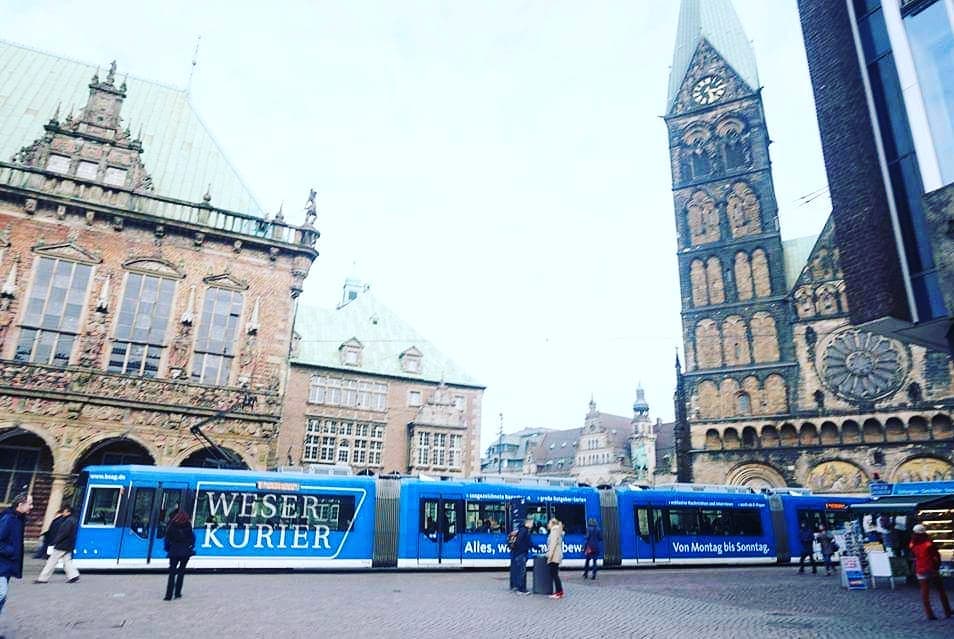
Bremen in north-west Germany is a chocolate box town with fairytale connections. Go in search of the Grimm brothers roots and learn about the Bremen musicians. There is so much history to be found here in the region of Lower Saxoy, with its delightful mixture of medieval, gothic, and renaissance architectural influences. Central to the ensemble of historical buildings in Bremen’s old town is the Cathedral, dedicated to St. Peter, situated in the market square or Market Platz in the centre of the town. Adjacent to this is the ancient Domsheide – a magnificent medieval square hosting a number of important buildings, including the main post office, the courthouse, the cathedral precinct with its bell, and the annex to the stock market building as well at the town hall and the seat of power for the government of the municipality.

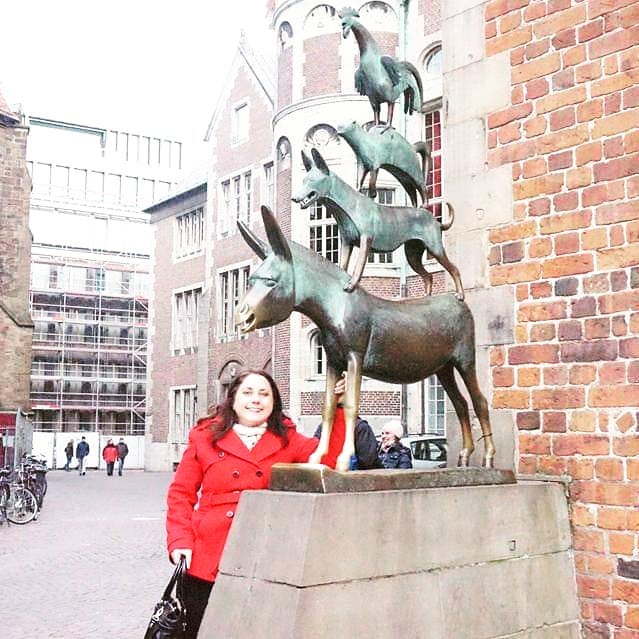
In this medieval heart you’ll find the famous Bremen Town Musicians statue, which immortalizes a children’s fairy-tale from the Brothers Grimm about a donkey, a dog, a cat and a cockerel who go off in search of their fortune after being classed as tired and old by their masters. On their road trip to Bremen, they take rest in a forest but see a light shining and come across a robbers’ house. To scare off the robbers, they all stood on top of one another to look fierce and ended up frightening the robbers away, taking the house for themselves. Although they never made it to Bremen, a bronze statue by Gerhard Marcks was erected of the Bremen Town Musicians next to Bremen Town Hall in 1953. It is said that anyone who grabs the front hooves of the donkey shall have their dream come true. The moral of the tale is that you are always stronger when acting together.
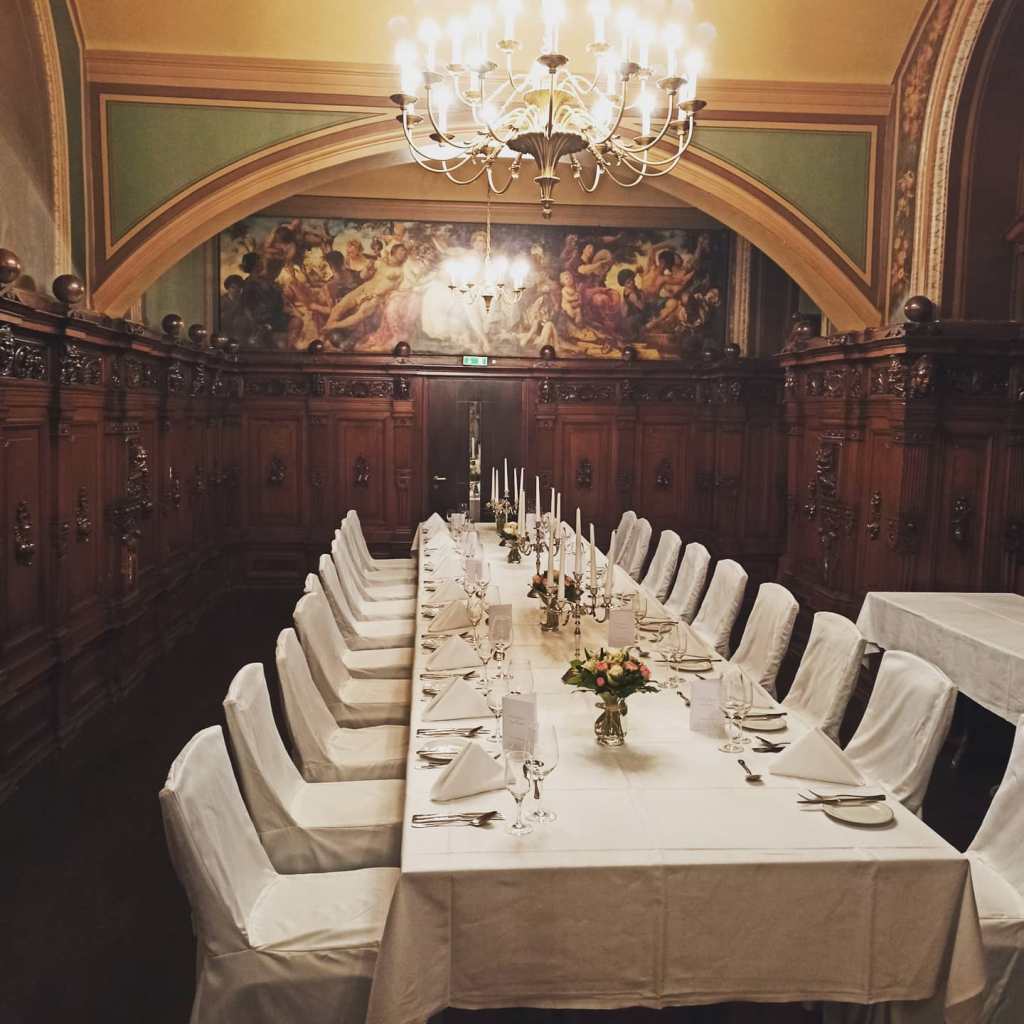
Nestled in the depths of Bremen’s 600-year-old town hall, next to the Bremen Town Musicians statue is the Ratskeller open house and restaurant. This is a 600-year-old wine cellar where princes and merchants once drank and dined. Even today, this is the best place to sample Germany’s best wines from various rooms and cellars. The Ratskeller is a wonderful upmarket restaurant and pub where drinkers can sit at the small tables and soak up the atmosphere in the hall, while diners converse in their groups on long tables with their laughter echoing around the wonderfully ornate hall. The absolute best tables are found in the secluded booths, known as Priölken which are gathered around the oak barrels where barons and merchants once sat in semi-privacy to barter their trade deals. In between tables are decorative old barrels and the walls are adorned with unique frescoes to admire. Down in the cellar Germany’s oldest cask wines mature undisturbed. Upon entering the room, lit only by candlelight, the smell of the casks and the wine gives a hint of the centuries-old treasures stored here. Beneath a rose painted on the ceiling lies the rose cask which contains the famous vintage Rüdesheim from 1653. Although the wine is still fit to drink, it very rarely is, because it is priceless. Only the cellar master and the current mayor of Bremen can sample it – but they rarely do. However, Queen Elizabeth II of Great Britain did get to try a thimble’s worth during her state visit to Bremen in 1978.

Bremen doesn’t really do five star, but many fairly upmarket four star hotels can be found nearby scattered among the winding streets in the heart of old Bremen one notable example being the DesignHotel ÜberFluss a contemporary four-star establishment with a spa and indoor pool, sauna and historic relaxation room. The style of the hotel is minimalistic and elegant, with most rooms commanding a view of the river Weser.
Just one-minute walk from Bremen Town Hall and the statue of the Bremen Town Musicians, you will find the Atlantic Grand Hotel Bremen. All rooms feature a modern design with soundproofed windows, a comfortable seating area and work desk. The spacious bathrooms have a bath or shower. The hotel has a spa area with sauna, steam room and a separate gym with modern fitness equipment and bikes can be rented at the lobby. The Atlantic’s restaurant with conservatory serves international cuisine and there is a lobby bar and smoking lounge.
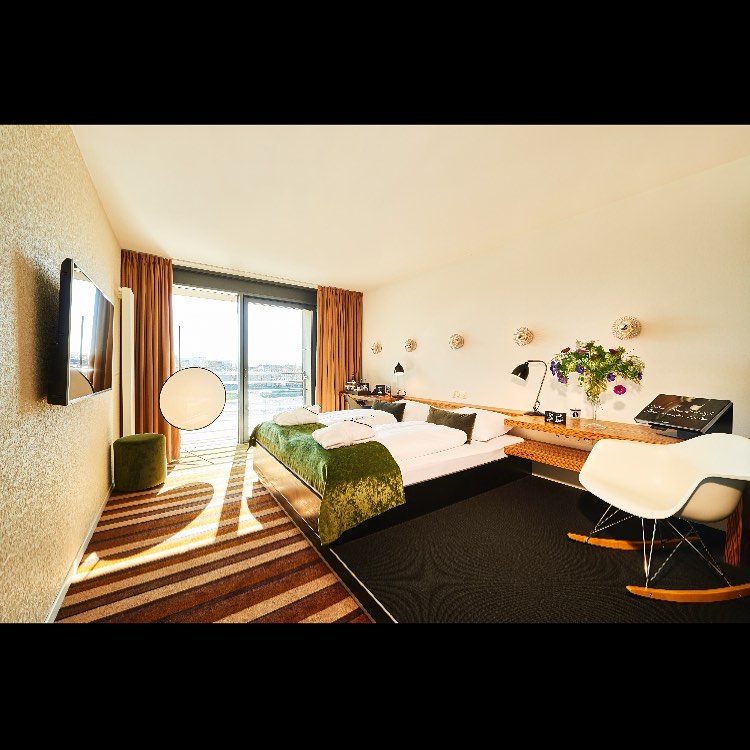
An advantage of staying in the heart of Bremen you are always close to the shops. Nearby shopping experiences include the Böttcherstraße just opposite is a 330 ft long walkway, famous for its unusual architecture and ranks among the city’s main cultural landmarks and visitor attractions. Built between 1922 and 1931, after Ludwig Roselius, a Bremen-based coffee-trader charged Bernhard Hoetger with the artistic supervision over the project. The street and its buildings are a rare example of expressionism and are protected.

Other areas of interest include Dechanatstraße – home to Breman University of the Arts music faculty and Violenstraße – where memorials to persecuted Jewish people from World War Two can be found in the ‘stumbling stone’ brass plaques in the pavement in front of houses where they lived. All these sites are easily connected from this square by foot, tram or Uber.
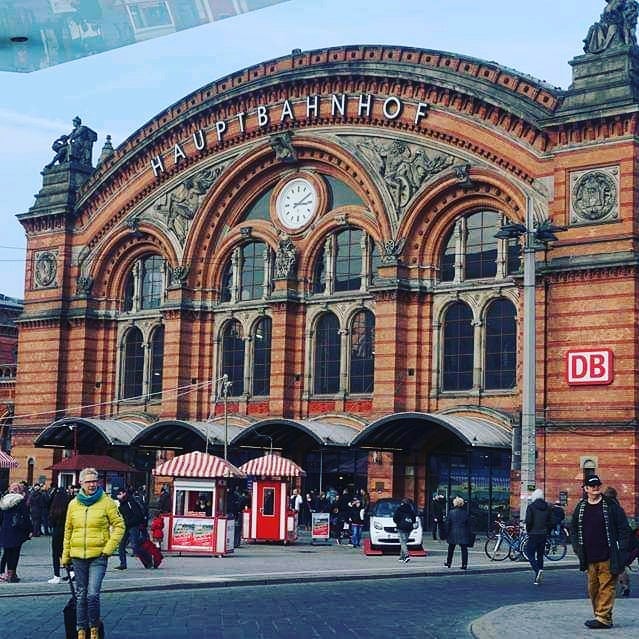
The Haufenbahff central station is a beautiful example of architecture. Many fancy four star hotels can be found clustered around this area including a favourite of business travellers is the Inter City Continental, conveniently located next to the tram and rail station and hosts the Flemings Brasserie restaurant offering a selection of seafood, vegetarian and grilled items and just a 15 minute stroll from the old town and the Arena Messe Hall which is home to the Bremen football team and a convention centre which hosts many exhibitions, such as the international fish show where you can sample weird and wonderful fish dishes including curried cod, smoked herring, salmon, octopus and caviar cocktails once a year.
If you are prepared to explore further, Villa Linnenschmidt offers elegant and luxurious classical-style hotel rooms in a quiet suburb of Bremen, about 30 minutes by foot, car or by public transport from the old town. Set in an attractive red-brick building, the generously sized rooms at the property feature elegant décor and antique-style furnishings and soundproofed rooms with modern flat screen televisions. Guests are welcome to use the on-site fitness centre at Villa Linnenschmidt. There is also a golf course nearby. Bremen Main Train Station is just 1.2 miles from the property and the A27 motorway can be reached in 5 minutes. Free private parking is available on site.
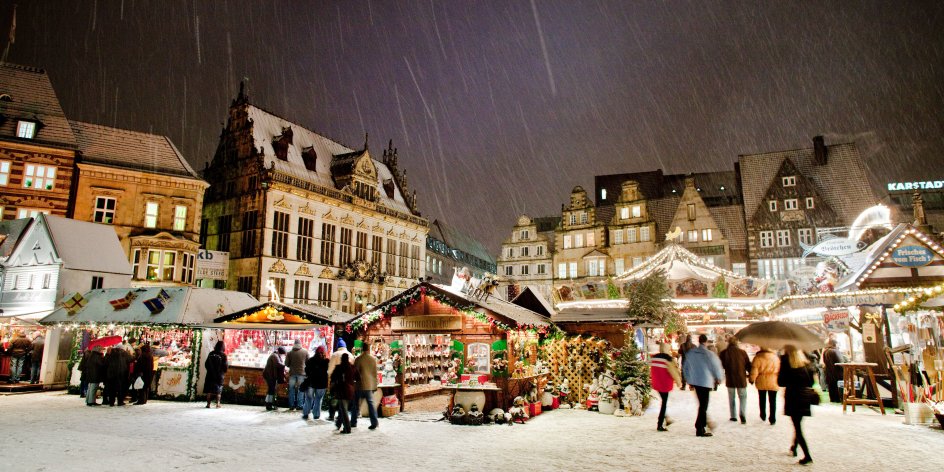
Visit all year round, but it is best in December for Christmas markets, when the streets are carpeted in snow, and there is a German market in full swing and plenty of opportunities to shop and get lost down the side streets. Usually at this time of year Bremen is a dazzling sight, illuminated by shimmering lights and the streets are carpeted in snow as children glide on the ice rink. Bremen’s medieval square is transformed into a winter wonderland as the Christmas market takes over the historic square, a sparkling vision of lovingly decorated stalls and stands, and romantic Christmas lights create a magnetic atmosphere.
Wherever you go, the air is filled with evocative aromas of freshly roasted almonds, traditional gingerbread cakes and mulled wine. In front of the UNESCO World Heritage Site of the 600-year-old Town Hall, over 160 Christmas stalls transform the historic market square and shopping arcades into a romantic Christmas scene. A circular path bedecked with festive lights takes you from the Christmas market to Bremen’s central artery, the River Weser. In the weeks before Christmas, the popular riverside promenade becomes the setting for the historic Schlachte-Zauber winter and maritime market. From organ recals to nativity plays, magical theatre shows and festive exhibitions: a varied programme of festive events for all ages is organised each year by Bremen’s cultural institutions. One of the more bizarre ones occurs in January when Three Wise Men appear on the Weser dike at noon, dressed in colourful garb, accompanied by a “tailor”. In a custom that has evolved from the original ice wager in 1829, they will then throw stones far out onto the ice to test whether the Weser is frozen solid.
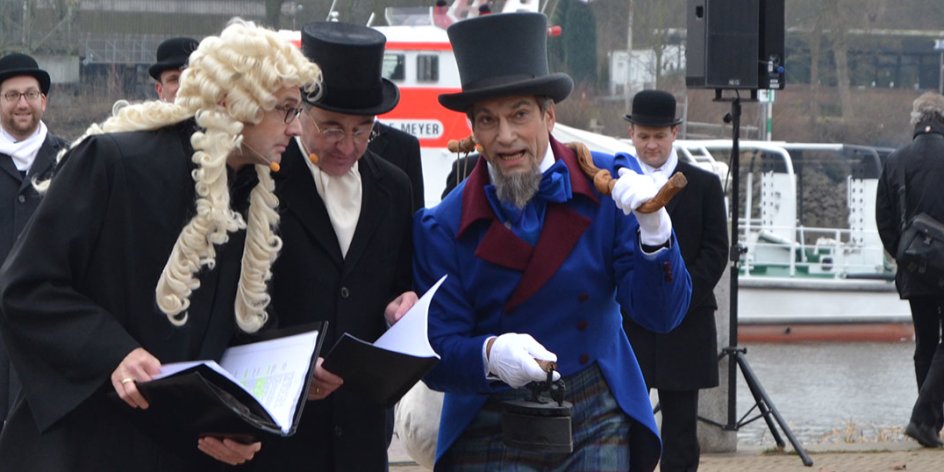
The final test comes when the tailor, who must weight no more than 99 pounds, is sent out across the river to see if he can reach the other side without getting his feet wet.
A trip to Bremen, just a short flight from Stansted Airport with Ryanair, makes a perfect budget weekend trip where you can enjoy the beauty of this magical city and its rich heritage. Get around easily by tram or Uber.
Putting on the Ritz
By Donna Richardson

One of the finest British traditions is to take afternoon tea and there is no finer place to indulge in this pastime than at one of the most famous hotels in the world. This is a classy establishment where high society rub shoulders with the great and the good rub within the refined backdrop for an ultimate soiree. Of course, there is a strict dress code for such an exclusive venue. As lovers stroll hand in hand down Piccadilly, dressed in their finest, the hotel’s name appears before them lit up in lights. You have arrived at the fanciest address in town as you climb the steps anticipation hits the roof. You just know it is going to be an unforgettable experience. Afternoon or High Tea with champagne at the Ritz is about as fancy as it gets.
Putting on the Ritz in fine company
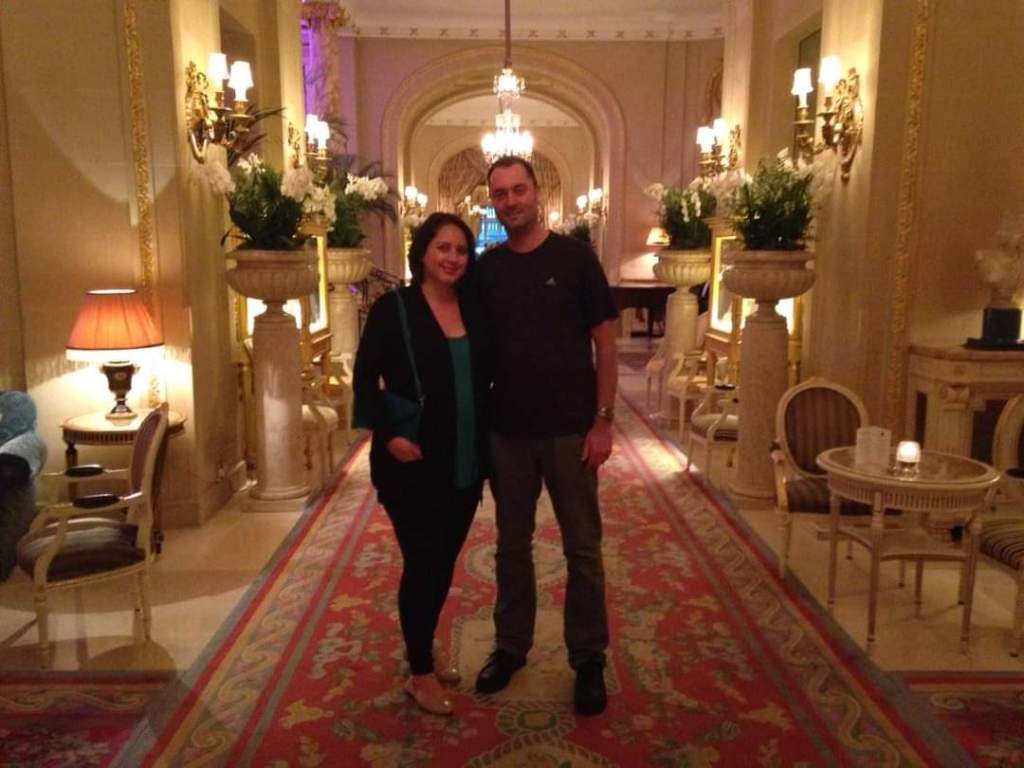
From the moment the doors to the Ritz are opened by the smart doorman dressed in tops and tails, high-flying guests are transported to another world where class and luxury combine for a refined experience. Visitors tread the ornate red-carpet following in the footsteps of royalty, former Prime Ministers and rock stars. Everyone from the Queen to Mick Jagger has taken tea at the Ritz, so choosing this venue places one in fine company.
Even as you enter the lobby, surrounded by marble columns, crystal chandeliers and fine furniture you feel incredibly honoured and it continues to astound.
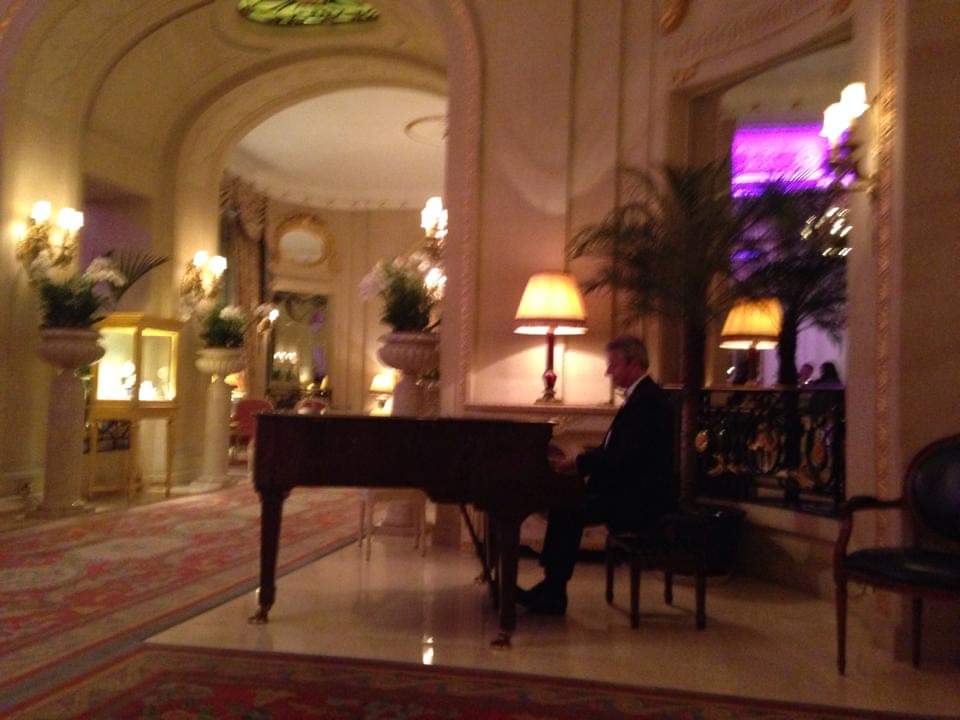
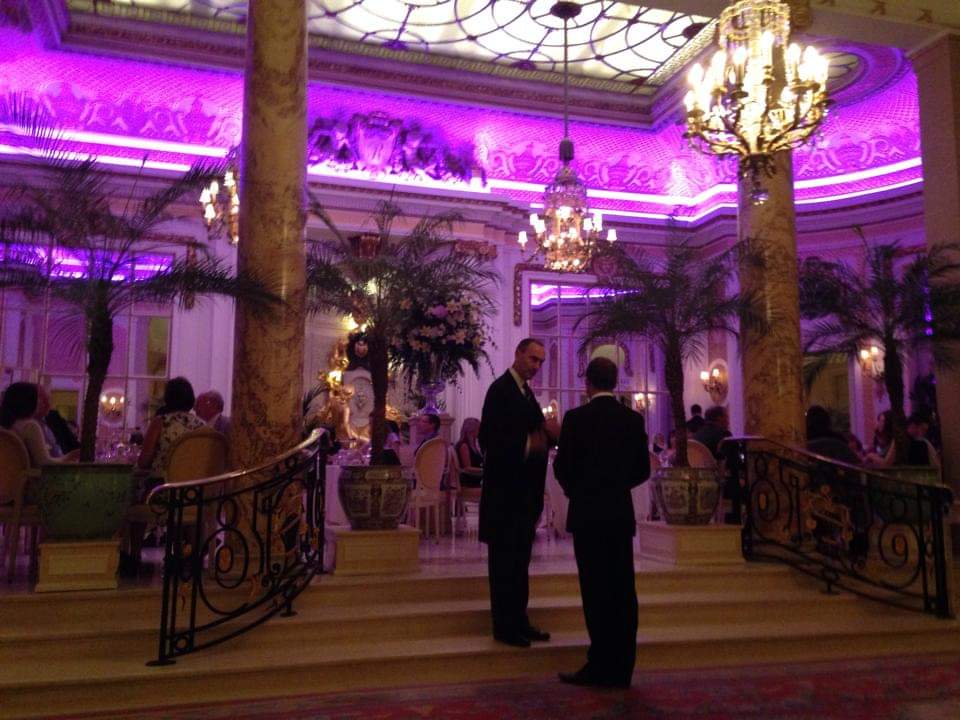
Guests are led through to the Rivoli bar, past a pianist playing delicate melodies, and amongst the opulence, there is a regal air. This is the first ingredient to ensure your visit to The Ritz, is quite simply, unforgettable. Here one can sip on champagne or an extravagantly priced whiskey while waiting to be called for their Afternoon Tea, served in Palm Court further down the hallway. Beyond that is the Ritz restaurant for those staying for dinner.

History
The Ritz hotel was built in 1906, a grade II listed five-star hotel in Piccadilly, Mayfair, close to Buckingham Palace. With high ceilings, marble arches, the Ritz is a symbol of high society. Here guests will find grandeur on a stellar scale in one of the most luxurious and best-known hotels in the world. Conceived by Cezar Ritz, no expense was spared on the opulent interiors and lavish furnishings.
Sir Winston Churchill, Dwight Eisenhower, and Charles de Gaulle all met in the Marie Antoinette suite to discuss operations during the Second World War. Charlie Chaplin required 40 officers to escort him through his fans into the hotel in 1921 and Jackie Onassis, former wife of President J. F Kennedy described the Ritz as ‘like paradise.”
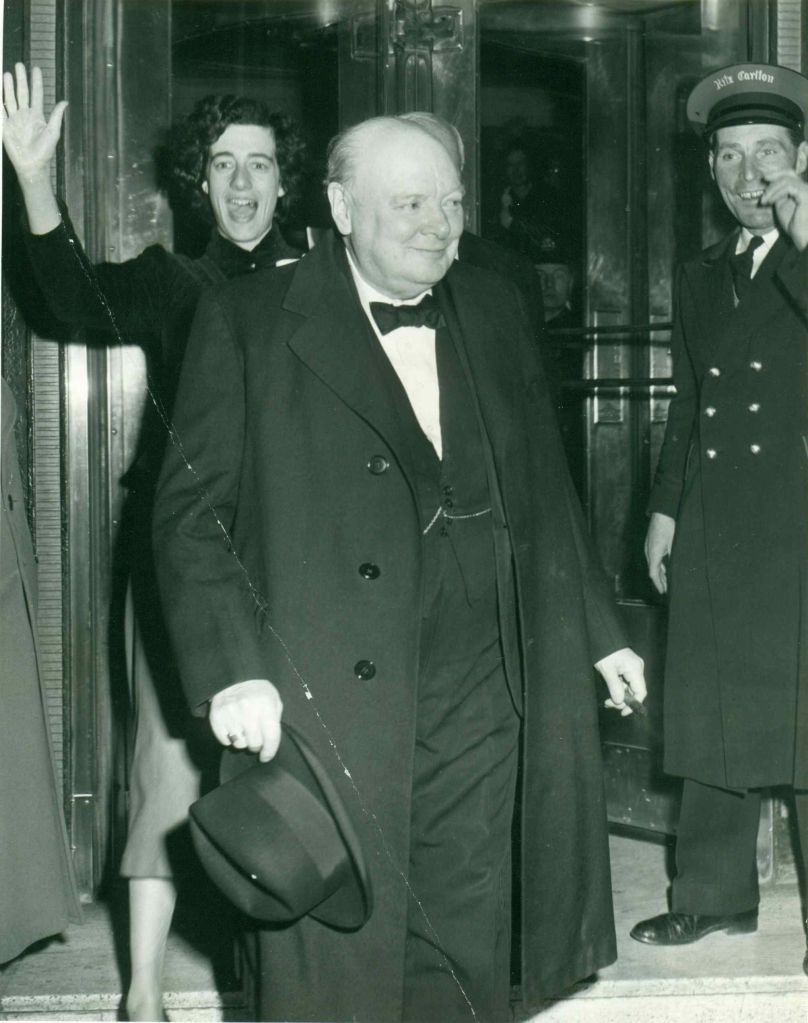
Enjoying the moment
Indulge in a slice of one of the finest British traditions at this exclusive address in central London- Afternoon Tea. Balance exquisite finely cut sandwiches between your fingers before spreading on the finest preserves and cream on scones or sampling delectable pastries at Palm Court. The Ritz London has an exclusive certified tea sommelier, Giandomenico Scanu who serves over 18 different types of loose-leaf tea. Alternatively guests can ask for a glass of Champagne to add some extra sparkle to the occasion. As lovers gaze into each others eyes, the glittering chandeliers and elegant mirrors reflect their love and shine a spotlight on such an occasion, adding light and stylish flourish to the room.

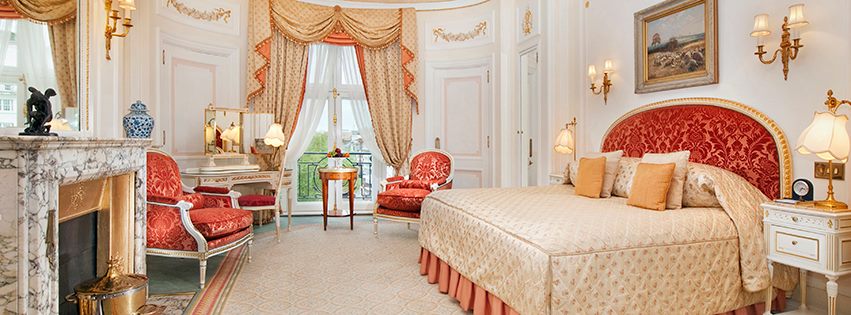
The suites
Bedrooms at The Ritz London combine stunning period architecture and antique furnishings with modern amenities. Decorated in warm colours, they feature high ceilings, ornate fireplaces and chandeliers. Rooms are air-conditioned and feature iPod docks and elegant bathrooms with designer toiletries. Guests can stay in a glamorous guestroom where a bottle of chilled Barons de Rothschild’s Ritz champagne awaits to toast a special occasion. Thereafter, it is time to “put on the Ritz”, dress to impress and venture to the stunning Palm Court to enjoy the legendary Afternoon Tea at The Ritz, a quintessentially British experience and an institution in itself. The following morning guests can indulge in English breakfast in the magnificent Michelin-starred Ritz Restaurant, often described as ‘the most beautiful dining room in the world’.
Dining
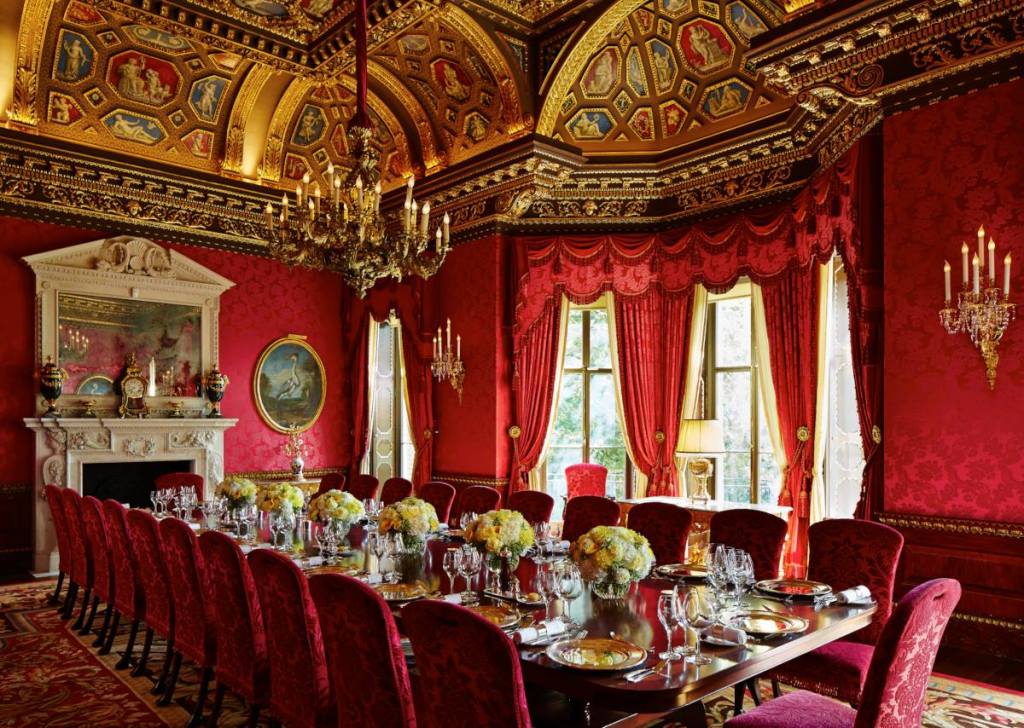
In its Michelin-starred Ritz restaurant, John Williams MBE is charged with creating magnificent meals using the finest British ingredients. Dine under sparkling chandeliers, marvel at the towering marble columns and gaze out of the soaring windows that overlook the calm oasis of Green Park. Epicureans are in fine company here. If its walls could speak they would regale in tales of meetings with Prime Ministers Sir Edward Heath and Harold Macmillan who regularly frequented the Ritz to discuss important matters. Queen Elizabeth The Queen Mother regularly dined at the Ritz and her favourite song to be played on the piano was ‘A Nightingale Sang in Berkeley Square.” And in 2002 Her Majesty Queen Elizabeth II hosted a party for Prince Charles 54th birthday in the Ritz restaurant followed by another event for her own 80th birthday in 2006.
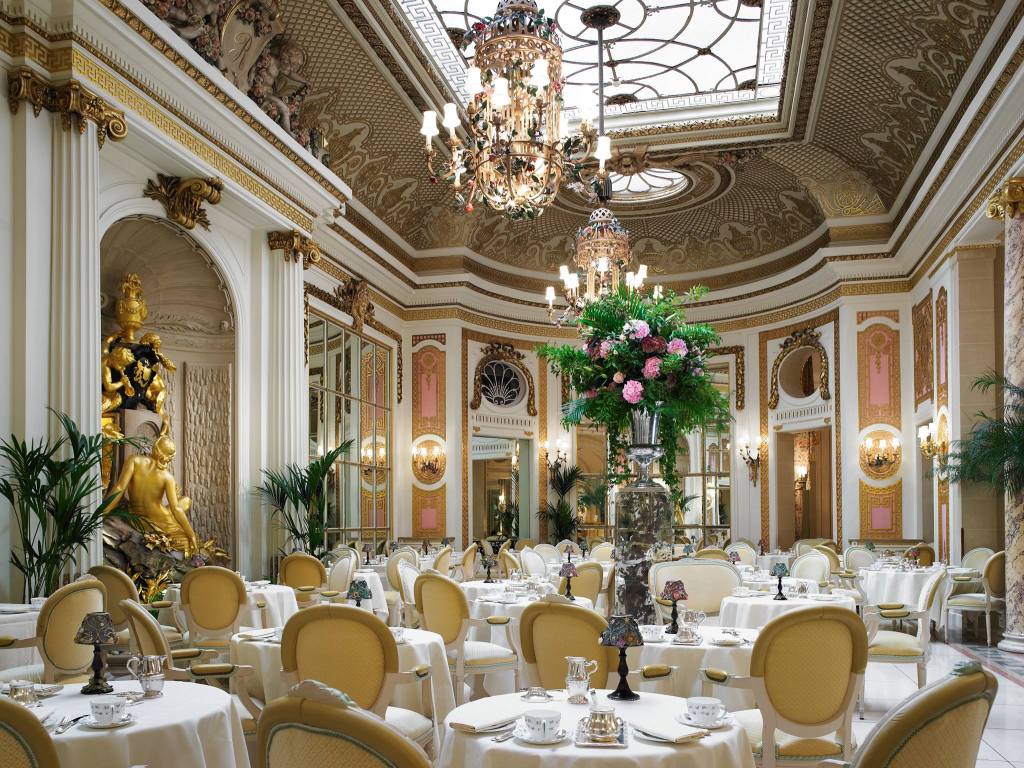
‘Putting on the Ritz’ and following in the footsteps of the Queen and Prince Charles, prime ministers, presidents and rock royalty is a momentous occasion. Those who have been lucky to sip champagne under the chandeliers while listening to the wonderful music will never forget it. Sitting in the lobby sipping champagne next to the gilded Palm Court and feeling this hotel’s magnificent presence with the one I love was certainly one of the most magical moments of my life that I will remember as long as I live.

Step By Step: An evening with Simon Reeve
By Donna Richardson
Simon Reeve is a popular and much travelled television personality and great adventurer. He takes viewers on thrilling journeys to the most beautiful places on earth. Recently at an event to raise money for the charity he spoke to hundreds of people about his travels. The event in mid-January saw hundreds of people from across the UK tune in.

During the event organised by the Rotary Club of Tiverton, Simon, who lives in Devon, spent 90 minutes on Zoom answering questions about himself. He reminisced on his younger days, his travels, his likes and dislikes, his most frightening moments with honesty and humour. He also read an extract from his autobiography, “Step by Step”. Simon was his natural self, answering many questions put to him by Rotarian Malcolm Lock. In fact Simon’s personality really shone through as approached the answers with such enthusiasm and honesty that it seemed like listening to an old friend rather than well-travelled adventurer.
“My break into the industry was when I travelled in 2003 to Central Asia. If you get a strange offer from a strange person and it seems noble- say yes,” he laughed.
His advice to cautious travellers is: “Don’t be put off by the fear of travelling. Adventure with purpose and travel with meaning.”
Standout moments during the zoom call Simon were was when spoke about his early career as a local newspaper reporter and listeners learned he had a brief spell of unemployment before he found fame which made him even more determined to achieve his dreams. Rather than falling into a career from a contact at stage school, he carved his way a career on the telly out of sheer ambition. Little did he know back then he would become an author and travel the world as presenter of TV shows including the Caribbean, Indian Ocean and Equator.
His most memorable moments: “I will never forget the man in the Caribbean man who refused to sell his land despite being offered a life-changing sum. Focus on the journey and go forwards to explore different parts of the planet,” he shared.
He also shared: “There have been moments that I have been scared in Somalia where it felt like I was in a scene from Black Hawk Down.
“In Kazakhstan I played polo with the head of a goat and was guest of honour in a Kazakhstani yurt.”
His latest “Incredible Journeys with Simon Reeve” is out now. It looks back at some of the most remarkable and remote destinations Simon has visited, from arctic glaciers to tropical reefs and from the forests of Borneo to the deserts of Central Asia.
Chatting for Charity saw Simon share some stories with a Q&A. Over £3,500 was raised from ticket sales and that money went to two fantastic charities: CHAT – which runs a food bank and provides a vital support service for the homeless and Fathoms Free- a group of volunteer Marine Conservationists who clean up plastic waste and marine litter from the seas.
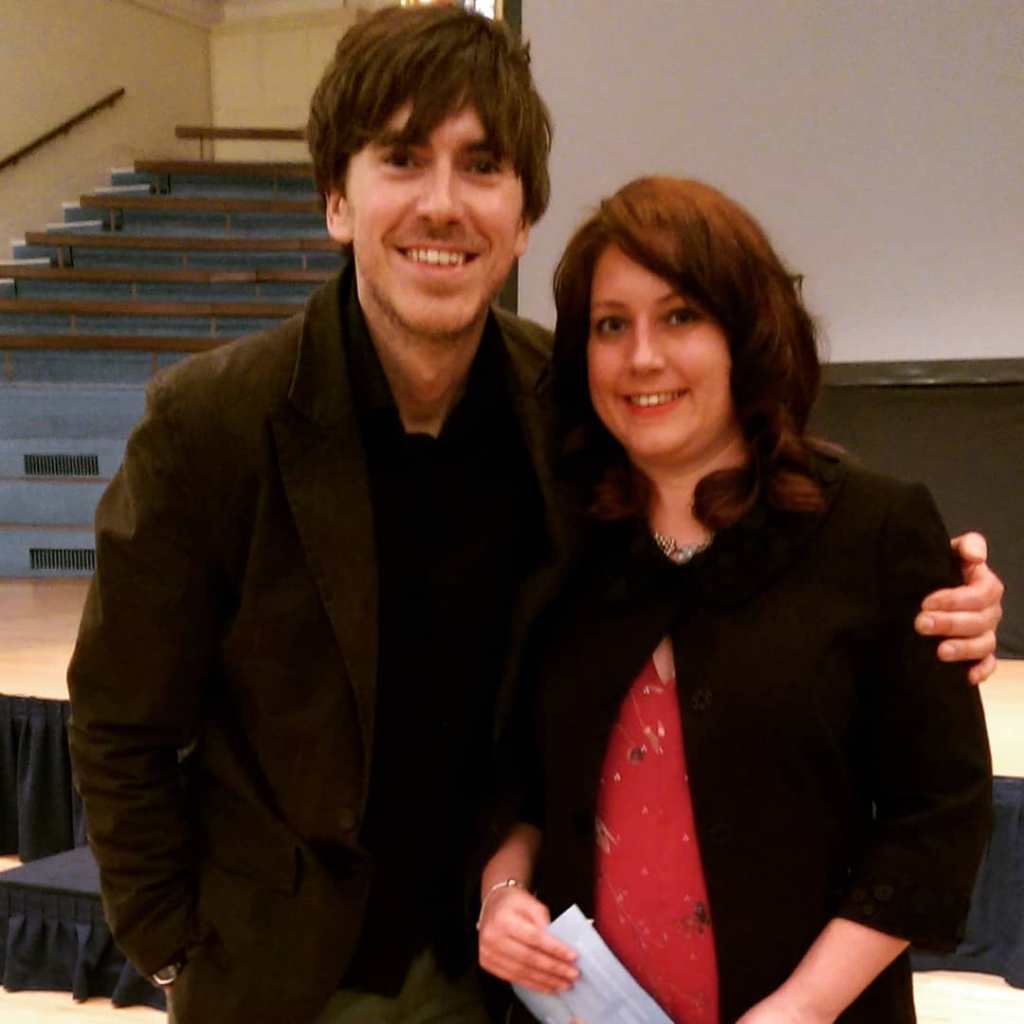
I have my own personal story to tell about meeting Simon in Nottingham during a Kuoni talk. Here I am pictured with him.
Introduce Yourself (Example Post)
This is an example post, originally published as part of Blogging University. Enroll in one of our ten programs, and start your blog right.
You’re going to publish a post today. Don’t worry about how your blog looks. Don’t worry if you haven’t given it a name yet, or you’re feeling overwhelmed. Just click the “New Post” button, and tell us why you’re here.
Why do this?
- Because it gives new readers context. What are you about? Why should they read your blog?
- Because it will help you focus your own ideas about your blog and what you’d like to do with it.
The post can be short or long, a personal intro to your life or a bloggy mission statement, a manifesto for the future or a simple outline of your the types of things you hope to publish.
To help you get started, here are a few questions:
- Why are you blogging publicly, rather than keeping a personal journal?
- What topics do you think you’ll write about?
- Who would you love to connect with via your blog?
- If you blog successfully throughout the next year, what would you hope to have accomplished?
You’re not locked into any of this; one of the wonderful things about blogs is how they constantly evolve as we learn, grow, and interact with one another — but it’s good to know where and why you started, and articulating your goals may just give you a few other post ideas.
Can’t think how to get started? Just write the first thing that pops into your head. Anne Lamott, author of a book on writing we love, says that you need to give yourself permission to write a “crappy first draft”. Anne makes a great point — just start writing, and worry about editing it later.
When you’re ready to publish, give your post three to five tags that describe your blog’s focus — writing, photography, fiction, parenting, food, cars, movies, sports, whatever. These tags will help others who care about your topics find you in the Reader. Make sure one of the tags is “zerotohero,” so other new bloggers can find you, too.
 DMLR Editorial Services